Why Does a Candle Wick Turn Black During Burning? A...
Read MoreWhy Does a Candle Wick Turn Black During Burning?
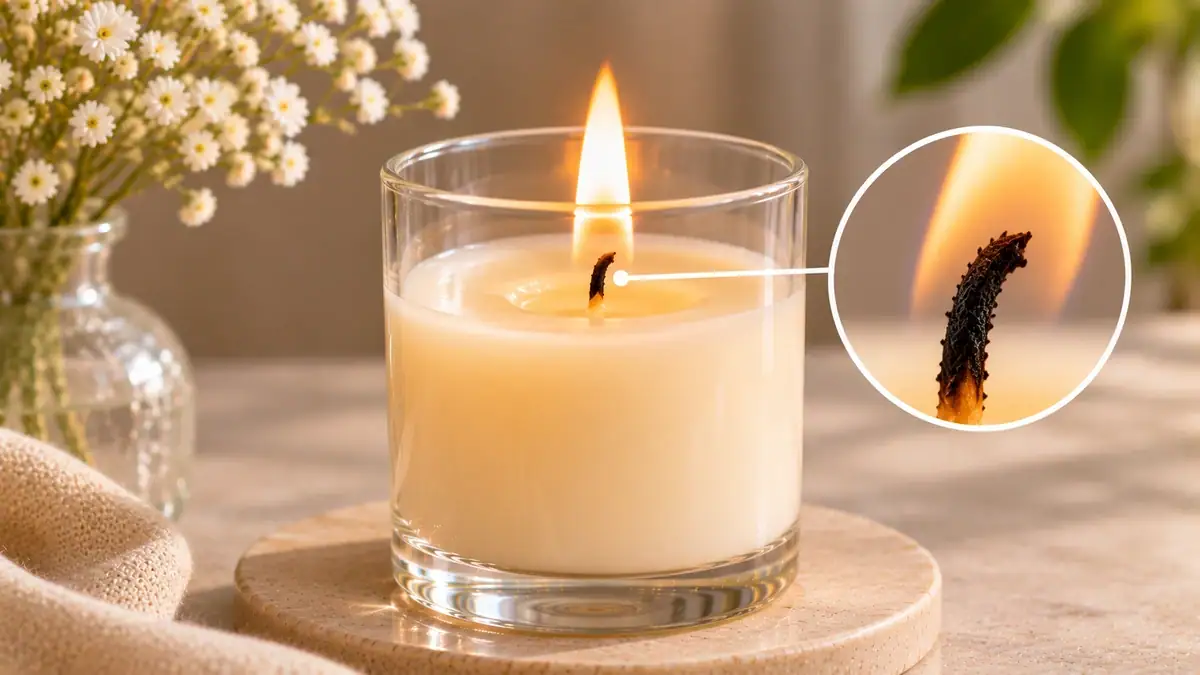
A fresh cotton wick may be pale before it is lit and black after its first burn. That change usually begins with the effect of heat on the wick material. The exposed fibres can break down and leave a carbon-rich residue called char. In some candles, material can also collect at the tip until it forms a wider lump. The colour of the wick and the shape of that lump tell you different things.
A thin black section can be a normal result of heating. A bulky tip, smoke rising while the candle is lit or dark marks on the vessel are separate observations worth describing separately. They involve different materials, locations and stages of burning. Treating every black mark as soot makes the candle harder to understand.
To see why a candle wick turns black, follow the wick from the liquid wax near its base to the part exposed to the flame. Then look at what remains after the candle cools. You can learn more from the boundary between pale and dark material, the shape of the tip and the condition of the surrounding glass than from colour alone.
How heat changes the fibres
Cotton fibres consist largely of cellulose. In the hot part of the wick, the fibres undergo thermal decomposition. This means heat breaks down their molecular structure. Some products can leave as gases or vapours. Exploring what actually burns in a candle clarifies how vaporised wax supplies the main flame fuel while the exposed wick fibres darken slowly. The material that stays behind can become richer in carbon than the starting fibre and appear black. This kind of thermal breakdown is often called pyrolysis, particularly when discussing what heat does to a material before or apart from its reaction with oxygen.
A real wick sits inside a flame with regions of different temperature and oxygen availability. Some material can break down and some can react with oxygen. Char may be consumed as the burn continues. The part you see after extinguishing is what remains at that point, after both formation and consumption have had time to occur. It need not be pure carbon, and its colour does not give a direct measurement of its composition.
A blackened fibre can still look like part of a braid. The original structure may remain recognisable even after much of its chemistry changes. This offers a simple way to distinguish what you observe from what you infer. The braid is a visible feature. The thermal decomposition of the cellulose is the physical explanation for how the fibre can darken.
Why the whole wick does not turn black at once
The wick crosses several environments within a short distance. The part near the melt pool is in contact with liquid fuel and typically cooler than the part projecting into the flame. The exposed end experiences the strongest heating. Where those regions meet can shift as the wax level changes, so a later burn can darken a part that previously stayed pale.
The upper tip can also reach into a different part of the flame from the section nearer the wax. The oxygen available to it depends on where it sits. As some braided wicks burn, they curve. A curved tip can move towards the edge of the flame, where conditions can favour further consumption of exposed material. The extent depends on the wick’s design and the behaviour of the candle as a whole.
Think of the dark section as a record of the part that has been heated strongly enough to change. The record is incomplete because the hottest material may already have been consumed. Two candles can therefore show similarly dark tips even when the histories of heating and loss are different. A picture of the cooled wick captures the final shape at that moment, not all the stages that produced it.
How char differs from soot
Char is the solid residue that can remain where a material decomposes. For a wick, that can mean darkened material in the original fibres. Soot consists of particles that form in hot, fuel-rich gases—a mechanism detailed in our guide on why candles produce black soot. Those particles can glow in the flame, oxidise as they reach oxygen or escape into the air. Some can settle on the vessel or other surfaces. Char can stay attached to the wick in the spot where it formed. Soot can be transported away from where it formed.
The distinction does not mean a wick tip contains only one or the other. A hot wick can carry char and collect carbonaceous material. A visible lump can contain a combination of residues. If you look at a cooled wick and notice black fibres with a separate rounded mass at the end, you can describe the two features without assigning each an exact composition.
Similarly, a dark mark on glass gives you information about a surface deposit. It may be associated with particles escaping the flame and moving through the air. It tells you little about the fraction of the wick itself that charred. Compare the glass and the tip as two separate parts of the candle. This is especially helpful when reading photographs online, where the same word, soot, can be used for everything that looks black.
When a black tip becomes a mushroom
Mushrooming describes a wick tip that has become visibly wider than the stem below it, often with a rounded or irregular shape. The National Candle Association describes it in connection with carbon collecting on the wick. A slight darkening along the length of the exposed fibres and a prominent cap at the end are different observations. The first describes colour and the second describes a change in shape.
Formation and removal happen together. The wick can char, material can collect, and hot residue can be consumed or break away. The tip grows when buildup outpaces removal over the part of the burn you are observing. The balance depends on the way the wick delivers fuel, how the exposed length changes, and where the tip sits in relation to the flame.
The size of the cap alone cannot identify a cause. A long session and an unusually long exposed wick can both change the conditions at the tip. Different wick constructions may also leave different shapes of residue. For a maker comparing samples, the useful question is whether the observation repeats under the same conditions. Record the wick preparation, the session length and the stage in the candle’s life before comparing the resulting tips.
How cotton and wood can look different
A cotton wick is often braided, while a wooden wick presents a flat strip or another shaped piece of wood. Comparing cotton wick vs wooden wick candles shows how fibre structure and capillary geometry shape both flame profile and residue patterns. Both contain organic material that can darken under heat. The black residue may follow the original structure. A cotton wick can show individual dark fibres, while a wooden wick can leave a more continuous dark edge along the exposed strip.
Material and geometry influence the observations together. The width of a dark edge on a wooden wick cannot be compared directly with the width of a cotton braid. It is more informative to ask whether the dark material follows the original shape, whether a new lump extends beyond it, and whether pieces have come loose. Those are observations that make sense for either kind of wick.
Preparation also differs by product. Follow the instructions supplied with the specific candle, including its directions on trimming. Wait until the candle has cooled before handling the wick, and remove any loose trimmings from the wax. For a fair comparison, describe how each wick was prepared instead of assuming every candle starts with the same exposed length.
What to record when comparing wick behaviour
Begin with a photograph of the cooled wick before the burn. Include enough detail to show its position and the condition of its tip. Record the type of wick if known, along with the sample and session length. After the candle has been extinguished and cooled, take a second photograph from a similar angle. A consistent angle makes a curled tip or a wide cap easier to compare across samples.
During a supervised observation, record whether the flame stayed reasonably steady and whether any smoke appeared while it was alight. Record the brief plume after extinction separately. That distinction preserves useful information. A pale trail immediately after extinguishing has different circumstances from a sustained dark trail during a burn. Notes such as when the observation happened are more informative than a single line saying the candle smoked.
After cooling, inspect the wick and the vessel separately. A dark but compact tip can have a different appearance from a loose cap or heavy buildup. If you are comparing designs, repeat the procedure with additional samples rather than attributing everything to the wax or wick based on one candle. Differences in burn conditions can contribute even when the candles started with the same design.
Why a black wick can still relight
A previously used wick has already undergone chemical change at its exposed tip, but the candle’s fuel is still the wax available around it. When the next lighting begins, heat from the ignition source can warm the wick region and help release combustible material. If the candle can establish its usual flow of heat and fuel, the flame becomes self-sustaining again.
A charred piece that has become loose or excessively long is a different practical issue. Reviewing expert candle care tips to make candles last longer explains why trimming away brittle carbon buildup before relighting keeps flames steady and clean. It can affect how the next flame begins and what material is present in the melt pool. That is why the instructions for the particular candle matter when preparing for the next session. A cooled wick’s colour alone gives little information about the condition of the rest of the candle.
From a chemistry standpoint, the next burn continues a cycle. New parts of the wick are heated, residue forms and some material is consumed. A single after-burn photograph is a snapshot of that cycle. A series of photographs and careful notes can show when the tip changes shape, whether the change is repeatable and how it corresponds to changes in the flame.
Why the tip can look different while it is glowing
During a burn, a hot patch on the wick can glow because it is emitting visible light. That light can hide the dark colour you see once the candle has cooled. A bright spot in a video may also come from the surrounding flame, which makes it difficult to judge the outline of the wick. If the question is how much residue remained, examine the cooled tip under ordinary light. If the question is when a part glowed or broke away, a recording of the burn can provide the timing. Each view captures information the other can miss.
Key Takeaways
- Heat turns cellulose fibres into carbon-rich char: High flame temperatures break down exposed cotton or wood fibres via pyrolysis, leaving behind a dark residue.
- Liquid wax cools the lower wick: Only the exposed tip reaches extreme temperatures, creating a sharp visual boundary between the pale lower stem and blackened tip.
- Char stays on the wick while soot travels: Char forms directly within the heated wick fibres, whereas soot consists of airborne carbon particles formed in fuel-rich flame gases.
- Mushrooming signals accumulated carbon buildup: A widened, rounded cap forms when carbon deposits gather faster than the flame edge can oxidise them.
- Wick shape matters more than dark colour alone: A compact black tip relights normally, whereas a bulky or brittle cap should be trimmed after cooling.
Frequently Asked Questions
Is a black wick normal after burning?
A dark exposed section commonly remains after heating. Look at its shape and the behaviour of the candle as well. A small dark tip is a different observation from a large cap, loose debris or persistent smoke.
Is the black material pure carbon?
Char is carbon-rich but can contain other material. A tip can also carry deposits from the flame. Visual inspection can identify the appearance and location of the residue, while its exact composition would require analysis.
Why does a new wick sometimes look pale below a black tip?
The upper and lower sections experience different conditions. The exposed part gets hotter, while the lower portion may still be in or near the wax. This creates a boundary between more and less altered material.
What is the difference between a black tip and mushrooming?
A black tip is a colour change. Mushrooming is a change in shape that makes the tip wider than the stem beneath it. A wick can be dark without having a prominent cap.
Should I trim a cooled wick just because it looks dark?
Use the candle’s instructions to decide how to prepare it. They may specify a suitable exposed length or how to remove loose char. Colour alone cannot tell you whether the wick is too long or unstable.
Can a candle leave dark glass and a compact wick tip?
Yes. Material travelling through the gases can deposit on glass independently of whether the wick develops a large cap. Note where the deposit appears and whether the candle emitted visible smoke during the burn.
References: National Candle Association on wick buildup • Studio Kinza guide to wick selection and candle making
About Studio Kinza
Studio Kinza is a Dubai-based artisanal candle studio located in Warsan, International City, crafting clean-burning handcrafted soy candles from non-toxic botanical waxes and fine fragrance oils. Through hands-on workshops, masterclasses, and educational guides, we explore the science behind candle materials, scent, and combustion.
Plan Your Experience
Curious to explore wick sizing, combustion science, and custom fragrance blending in a guided studio setting? Contact the Studio Kinza team to reserve workshop seats, arrange private group sessions, or enquire about bespoke candle experiences in Dubai.
Why Candle Smoke Rises After Extinguishing
Why Does Smoke Rise from a Candle Just After You...
Read More