
Traditional Emirati Fragrance Terms Explained: Oud, Bukhoor and Mukhallat Emirati...
Read MoreTraditional Emirati Fragrance Terms Explained: Oud, Bukhoor and Mukhallat
Emirati Women’s Day is an opportunity to approach fragrance education with care, context and a clear purpose. Oud, bukhoor and mukhallat are related fragrance concepts, but they are not interchangeable.
For teams and readers in Dubai, the most useful starting point is to separate established facts from creative interpretation. Learn how to layer candle fragrances and explain wood, incense blends, mixed perfume traditions and why a candle fragrance is not the same as burning incense. This guide outlines practical decisions, common mistakes and questions worth asking before publishing a message or arranging an activity.
Studio Kinza approaches creative experiences as an optional, welcoming way for people to take part. The right format depends on the audience, venue and occasion—not on assumptions about what everyone should enjoy.
Understand the Occasion Before Choosing a Format
Oud, bukhoor and mukhallat are related fragrance concepts, but they are not interchangeable. A strong plan begins with the actual purpose of the occasion: education, recognition, commemoration, or a shared creative experience. A respectful programme explains that purpose first, then introduces any optional activity as a supporting element. For public-facing copy, check primary government or official organiser sources before stating historical details, mandated procedures or an annual theme.
Who the Content or Activity Is For
The audience changes the level of detail and the appropriate tone. A corporate HR team may need an inclusive invitation and operational schedule; a school needs age-appropriate wording and safeguarding; an individual reader may simply need a clear definition. Avoid assuming that nationality, gender or cultural background determines anyone’s tastes. Offer accessible choices and a way to opt out.
Practical Planning in Dubai and Across the UAE
Check venue permissions, access times, security registration, loading arrangements, guest numbers and any requirements for photographs or branded materials. Office towers, hotels and schools may have different access processes. Confirm whether participants will move between stations, whether they need seated workspaces, and how much time is available for setup and clearing.
Language, Accuracy and Respectful Design
Use precise names and dates, avoid inventing quotes, and have Arabic text reviewed by a qualified speaker before printing. For national symbols, official logos and ceremonial practices, consult current authorised guidance rather than treating decorative inspiration as permission to reproduce a protected asset. Keep bilingual text readable and ensure names and titles are correct.
Thoughtful Creative Workshop Options
A guided candle-making experience can be adapted with a considered fragrance menu, simple vessel styling and a personal label during a fragrance workshop in Dubai. Guests may prefer fresh, floral, woody or warm notes; offer choice rather than assigning a scent to a cultural identity. Where relevant, explain that pouring and drying take time and that candle handling must follow the facilitator’s safety instructions.
What to Confirm with an Organiser
Ask for the date, expected headcount, location, age group, preferred language, event objective, budget range, branding requirements and accessibility considerations. Discuss any allergy or scent-sensitivity concerns without promising that a particular fragrance is medically safe. Ask whether the occasion includes an official ceremony; a workshop should be scheduled around it, not substituted for it.
Mistakes Worth Avoiding
Do not copy unverified online histories, publish unapproved logos, promise a fixed annual theme before its announcement, or use the flag as disposable décor. Avoid overly promotional language when discussing commemoration or recognition. If a topic is sensitive or an official rule is unclear, quote the relevant authority and ask the venue for guidance.
A Simple Checklist Before Publication or Booking
Confirm the purpose and audience; verify names, dates and official terminology; proofread Arabic and English; review permissions for photographs and graphics; settle the venue and session schedule; and assign someone to check final materials. Recheck links and seasonal information close to the event, especially when the article may be read in future years.
Topic-Specific Guidance
The Central Question
Oud, bukhoor and mukhallat are related fragrance concepts, but they are not interchangeable.
How to Apply It
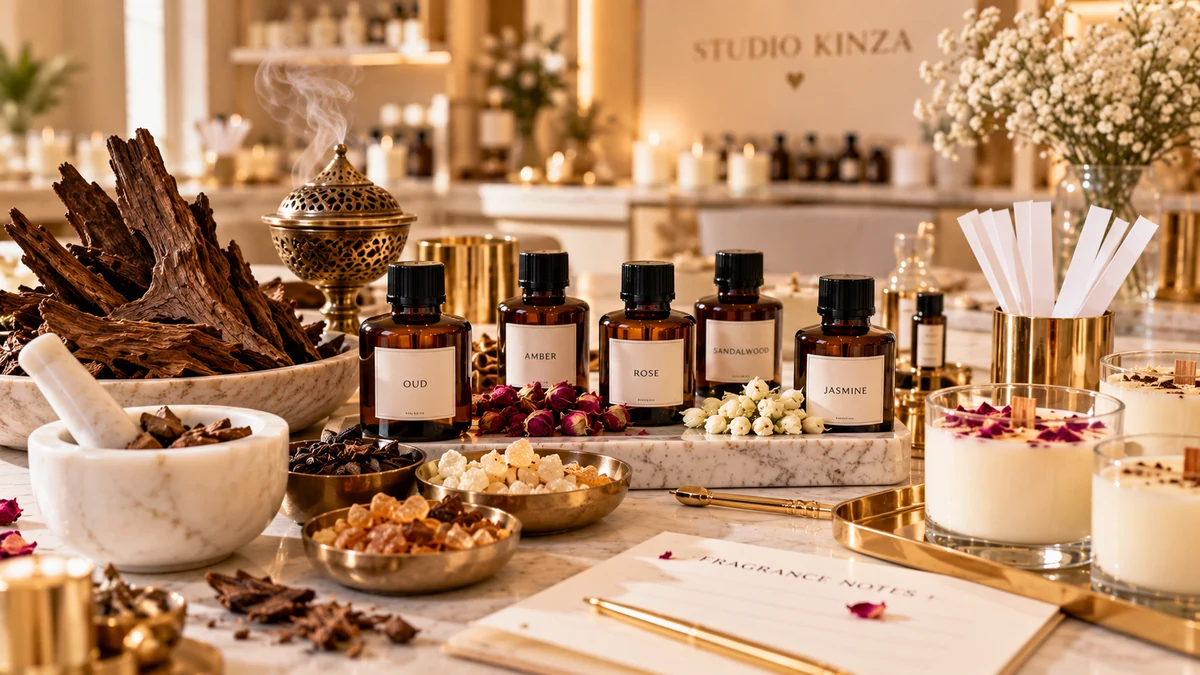
Explain wood, incense blends, mixed perfume traditions and why a candle fragrance is not the same as burning incense.
Editorial Accuracy
This article is written as a practical guide, not an official statement. Before publishing claims about Emirati Women’s Day, consult current UAE government or official event material and identify the source of any historical or procedural claim.
Planning Next Steps
For emirati fragrance terms, write down the single question your reader needs answered. Then choose supporting facts, examples and a clear next action. Keep the language relevant to that question rather than expanding into unrelated seasonal activities.
Practical Detail 1: Distinguish Oud as an Aromatic Material From Finished Fragrance Blends
Distinguish oud as an aromatic material from finished fragrance blends. This is an important editorial decision for “Traditional Emirati Fragrance Terms Explained: Oud, Bukhoor and Mukhallat” because readers may act on the information in a workplace, classroom or public setting. Distinct from raw resin, finished lifestyle products like the What the Oud candle showcase how perfumers rebalance resinous notes for ambient domestic settings. Begin by stating what is confirmed, what depends on the current year, and what should be checked with the responsible organisation. Keep a record of the source, publication date and the person who approved the final wording. That small amount of discipline prevents an otherwise useful article from becoming misleading when dates, assets or local procedures change.
For a Dubai-based organiser, turn this principle into a practical sequence: identify the audience, agree the desired outcome, draft the copy or activity, request any necessary approvals, and then review the finished materials at the size and in the setting where they will appear. A statement that reads clearly on a laptop may be too small on a printed card; an event idea that works in a studio may need adjustments for a school or office. Make these decisions early rather than treating them as last-minute details.
The most useful reader question is not simply whether distinguish oud as an aromatic material from finished fragrance blends, but how to apply that advice responsibly. Give a specific example, such as reviewing a bilingual invitation with a fluent speaker, confirming a venue’s access procedure, or checking whether an image is authorised for commercial use. Avoid presenting examples as legal requirements or official policy. Where a rule or interpretation matters, link to the relevant authoritative source and make the date of the check visible.
Practical Detail 2: Explain Bukhoor as Incense and Describe Appropriate Ventilation Considerations
Explain bukhoor as incense and describe appropriate ventilation considerations. This is an important editorial decision for “Traditional Emirati Fragrance Terms Explained: Oud, Bukhoor and Mukhallat” because readers may act on the information in a workplace, classroom or public setting. Begin by stating what is confirmed, what depends on the current year, and what should be checked with the responsible organisation. Keep a record of the source, publication date and the person who approved the final wording. That small amount of discipline prevents an otherwise useful article from becoming misleading when dates, assets or local procedures change.
For a Dubai-based organiser, turn this principle into a practical sequence: identify the audience, agree the desired outcome, draft the copy or activity, request any necessary approvals, and then review the finished materials at the size and in the setting where they will appear. A statement that reads clearly on a laptop may be too small on a printed card; an event idea that works in a studio may need adjustments for a school or office. Make these decisions early rather than treating them as last-minute details.
The most useful reader question is not simply whether explain bukhoor as incense and describe appropriate ventilation considerations, but how to apply that advice responsibly. Give a specific example, such as reviewing a bilingual invitation with a fluent speaker, confirming a venue’s access procedure, or checking whether an image is authorised for commercial use. Avoid presenting examples as legal requirements or official policy. Where a rule or interpretation matters, link to the relevant authoritative source and make the date of the check visible.
Practical Detail 3: Describe Mukhallat as a Blended Perfume Tradition Without Claiming One Fixed Formula
Describe mukhallat as a blended perfume tradition without claiming one fixed formula. This is an important editorial decision for “Traditional Emirati Fragrance Terms Explained: Oud, Bukhoor and Mukhallat” because readers may act on the information in a workplace, classroom or public setting. Begin by stating what is confirmed, what depends on the current year, and what should be checked with the responsible organisation. Keep a record of the source, publication date and the person who approved the final wording. That small amount of discipline prevents an otherwise useful article from becoming misleading when dates, assets or local procedures change.
For a Dubai-based organiser, turn this principle into a practical sequence: identify the audience, agree the desired outcome, draft the copy or activity, request any necessary approvals, and then review the finished materials at the size and in the setting where they will appear. A statement that reads clearly on a laptop may be too small on a printed card; an event idea that works in a studio may need adjustments for a school or office. Make these decisions early rather than treating them as last-minute details.
The most useful reader question is not simply whether describe mukhallat as a blended perfume tradition without claiming one fixed formula, but how to apply that advice responsibly. Give a specific example, such as reviewing a bilingual invitation with a fluent speaker, confirming a venue’s access procedure, or checking whether an image is authorised for commercial use. Avoid presenting examples as legal requirements or official policy. Where a rule or interpretation matters, link to the relevant authoritative source and make the date of the check visible.
Practical Detail 4: Let Participants Compare Scent Vocabulary Without Equating Incense With Candle Fragrance
Let participants compare scent vocabulary without equating incense with candle fragrance. This is an important editorial decision for “Traditional Emirati Fragrance Terms Explained: Oud, Bukhoor and Mukhallat” because readers may act on the information in a workplace, classroom or public setting. Understanding safe fragrance load in candle making helps creators distinguish between ambient incense smoke and volatile oil dissipation in wax mediums. Begin by stating what is confirmed, what depends on the current year, and what should be checked with the responsible organisation. Keep a record of the source, publication date and the person who approved the final wording. That small amount of discipline prevents an otherwise useful article from becoming misleading when dates, assets or local procedures change.
For a Dubai-based organiser, turn this principle into a practical sequence: identify the audience, agree the desired outcome, draft the copy or activity, request any necessary approvals, and then review the finished materials at the size and in the setting where they will appear. A statement that reads clearly on a laptop may be too small on a printed card; an event idea that works in a studio may need adjustments for a school or office. Make these decisions early rather than treating them as last-minute details.
The most useful reader question is not simply whether let participants compare scent vocabulary without equating incense with candle fragrance, but how to apply that advice responsibly. Give a specific example, such as reviewing a bilingual invitation with a fluent speaker, confirming a venue’s access procedure, or checking whether an image is authorised for commercial use. Avoid presenting examples as legal requirements or official policy. Where a rule or interpretation matters, link to the relevant authoritative source and make the date of the check visible.
A Practical Review Before Publication
Review the article as three different readers: someone encountering the topic for the first time, a UAE-based professional who knows the occasion, and an organiser who needs to act on the advice. The first reader needs clear definitions. The second needs accuracy, attribution and cultural care. The third needs an actionable sequence with realistic constraints. If a sentence is too broad to help any of these readers, replace it with a concrete explanation rather than adding adjectives.
Keep an editorial fact-check sheet beside the draft. List historical claims, Arabic spellings, public dates, government references, names, quotations and any suggestion that a practice is mandatory. Check each against an appropriate source before publishing. Mark examples and recommendations as editorial guidance rather than official instructions. When a current rule is uncertain, direct readers to the relevant authority instead of guessing.
For Studio Kinza enquiries, a useful brief includes the date, expected participant count, venue, age range, preferred language, available time, accessibility considerations and branding requests. Workshop details such as fragrance choices, vessel size and collection timing should be confirmed for the actual package. These are planning questions, not a promise that every format or customisation will be available at every event.
Key Takeaways
- Oud, bukhoor and mukhallat are related fragrance concepts, but they are not interchangeable.
- Verify annual information and official guidance before publishing.
- Use inclusive language and offer voluntary participation.
- Check venue logistics, bilingual copy and design permissions early.
- Keep creative workshops complementary to the meaning of the occasion.
Frequently Asked Questions
What is the main purpose of this guide?
It explains emirati fragrance terms with a practical focus on clarity, cultural respect and informed planning.
How early should an organisation prepare?
Start as soon as the date, venue and audience are known. Allow additional time for approvals, translation, printing and security access.
Can a creative activity be included?
Yes, where appropriate. Present it as an optional supporting activity, with a format that suits the group and does not replace official observances.
Should Arabic and English both be used?
Use the languages appropriate to the audience. Have Arabic text professionally checked for accuracy and layout before publishing.
Can we use an official logo or national symbol?
Check current authorised asset and flag-use guidance first. Do not assume that a publicly available image is cleared for promotional use.
How can a team enquire about a workshop?
Contact Studio Kinza with the date, location, estimated participants and preferred experience so the team can discuss a suitable format.
About Studio Kinza
Studio Kinza is a Dubai-based candle-making studio offering guided creative experiences for individuals, private groups and corporate teams, alongside collections of handcrafted soy candles. Explore workshop options at studiokinza.com or contact the team through the website to discuss an event. Please confirm current formats, pricing and availability directly.
Emirati Women in the UAE Fragrance and Creative Industries: Makers
Emirati Women in the UAE Fragrance and Creative Industries: Makers...
Read More
Arabic and English Emirati Women’s Day Messages for Workplace Communications
Arabic and English Emirati Women’s Day Messages for Workplace Communications...
Read More
How UAE Companies Can Recognize Emirati Women’s Contributions at Work
How UAE Companies Can Recognize Emirati Women’s Contributions at Work...
Read More