
Alternative Birthday Party Ideas for Teens Who Want Something Different...
Read MoreCandle Making Equipment: How to Choose the Right Vessel for a DIY Candle
Choosing the right container is one of the most overlooked parts of candle making equipment selection, yet it directly affects how safely and evenly your finished candle burns. A vessel that looks perfect on a shelf can still be the wrong choice if it isn’t heat-safe, too wide for a single wick, or shaped in a way that traps heat unevenly.
Because vessel and wick selection are so closely linked, understanding vessel basics first makes every later decision in your candle making process considerably easier. This guide walks through material safety, sizing, shape, and the practical considerations that separate a container that merely looks good from one that actually performs well.
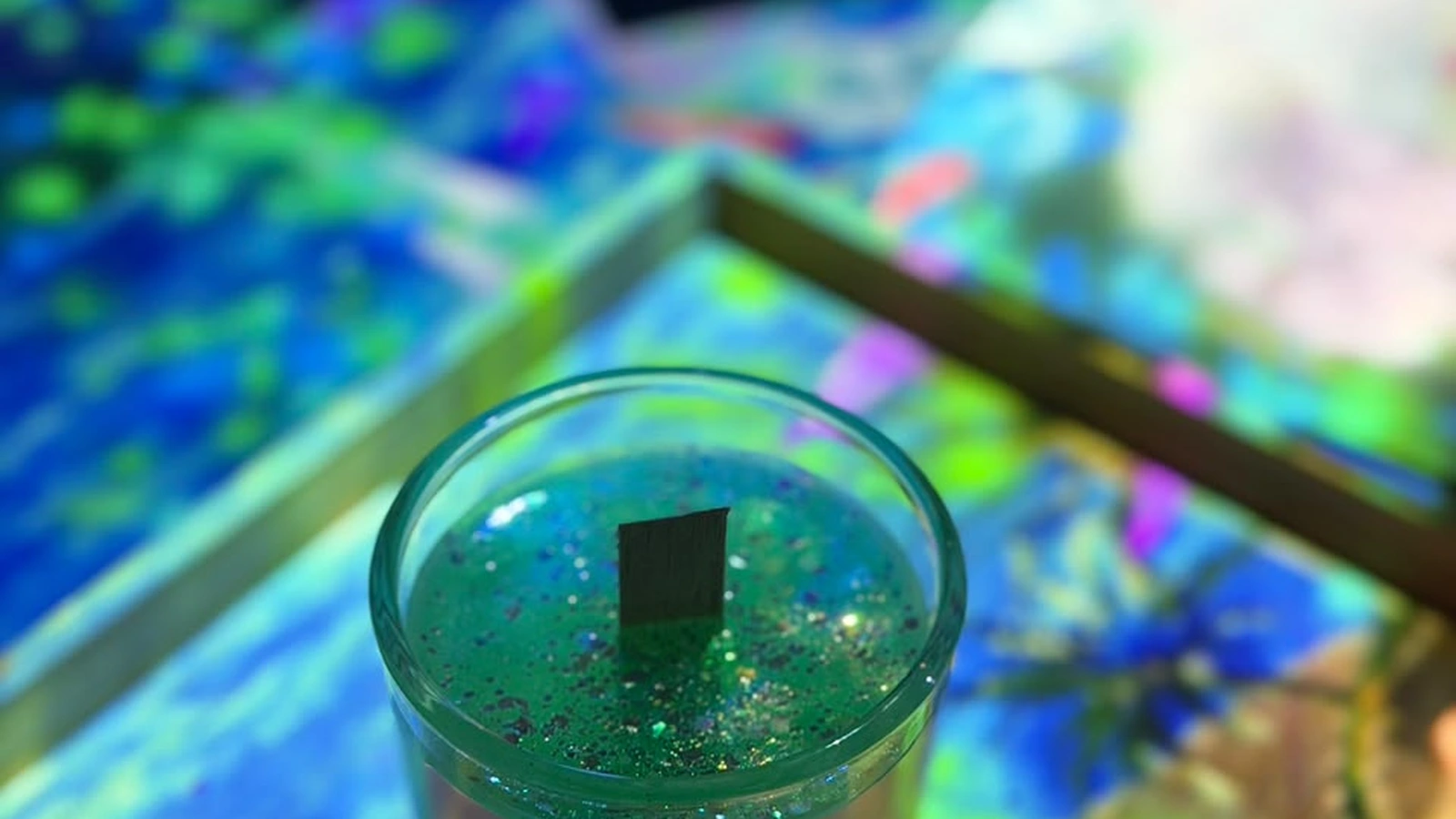
Why Does Vessel Choice Matter So Much?
Before comparing materials and shapes, it helps to understand why the vessel is such a foundational decision.
The Vessel Affects Heat Retention
Different materials retain and release heat at different rates, which directly changes how the wax melts, how large the flame burns, and how much fragrance is released.
The Vessel Determines Wick Requirements
Vessel diameter and depth dictate wick size and placement — a decision made after the vessel, not before it, since wick choice always follows vessel choice.
Safety Depends Heavily on the Vessel
An unsuitable vessel — one that can crack under heat or isn’t designed for a sustained flame — introduces a real safety risk regardless of how carefully the wax and wick are chosen.
What Materials Can Safely Hold Candle Wax?
Not every attractive container is built to safely hold a burning candle.
Heat-Tempered Glass
Purpose-made candle glass is tempered to withstand sustained heat without cracking, making it the most common and reliable choice for beginner and professional candle makers alike.
Ceramic and Stoneware
Glazed ceramic vessels designed for candles work well, offering good heat retention and a wide range of aesthetic options, though unglazed or decorative ceramic not rated for heat should be avoided.
Metal Tins
Metal tins conduct heat differently from glass or ceramic and are popular for travel candles, though their thinner walls mean the outer surface can heat up more noticeably during burning.
What Materials Should Be Avoided?
Just as important as knowing what works is knowing what genuinely doesn’t.
Untempered or Decorative Glass
Standard drinking glasses or decorative glassware not rated for sustained heat can crack or shatter under prolonged flame exposure, making them unsuitable regardless of appearance.
Plastic Containers
Plastic isn’t heat-resistant enough for candle use and can warp, melt, or release fumes when exposed to a burning wick.
Thin or Structurally Weak Materials
Any container with thin walls, hairline cracks, or uneven thickness is a genuine risk, since heat stress concentrates at weak points.
How Does Vessel Size Affect the Finished Candle?
Size decisions go well beyond simply choosing how much wax a container holds.
Diameter Determines Wick Count
As covered in wick selection, wider vessels typically need a larger single wick or multiple wicks to melt evenly out to the edges, so diameter should be decided with this in mind.
Depth Affects Burn Time and Heat Behaviour
A deeper vessel generally offers longer burn time but can also trap more heat, occasionally requiring careful attention to wick sizing to avoid an oversized flame.
Volume Should Match Your Wax and Fragrance Quantities
Calculating vessel volume against your wax recipe in advance avoids a partially filled container or overflow during the pour.
Does Vessel Shape Matter?
Shape affects both performance and aesthetics in ways beginners often underestimate.
Straight-Walled vs. Tapered Vessels
A straight-walled vessel burns more predictably from top to bottom, while a tapered shape — narrower at the base — can change how evenly the melt pool forms as the candle burns down.
Wide, Shallow vs. Tall, Narrow
Wide, shallow vessels generally throw scent more efficiently due to a larger melt pool surface, while tall, narrow vessels burn longer but release fragrance more gradually.
Decorative Details Shouldn’t Compromise Function
Ridges, embossing, or unusual shapes are fine aesthetically, provided they don’t create pockets where wax can’t melt evenly or where heat concentrates unevenly.
See Vessel Selection in Practice
Rather than researching material safety and sizing charts alone, our candle-making supplies come with pre-selected, tested vessels paired to the right wax and wick — a practical shortcut for anyone who wants reliable results without the trial and error.
Is Every Glass Jar Suitable for a Candle?
This is one of the most common questions beginners ask, and the honest answer is no.
Repurposed Jars Carry Real Risk
A repurposed food jar wasn’t manufactured to withstand sustained flame exposure, and using one — even if it seems sturdy — introduces genuine cracking risk over repeated burns.
Purpose-Built Candle Glass Is Worth the Difference
Candle-specific glass is manufactured and tested for this exact use case, which is why it remains the safest and most predictable default for both beginners and experienced makers.
When in Doubt, Choose Function Over Aesthetics
If a container’s heat-safety is genuinely uncertain, it’s worth choosing a plainer, purpose-built option over a decorative one that hasn’t been tested for candle use.
Bring Your Vessel Choice to Life
Once you’ve chosen the right vessel, seeing the process come together hands-on makes the decision far more intuitive. Our handcrafted candles collection also shows how professional vessel, wax, and wick pairings look once finished.
How Should Vessels Be Prepared Before Pouring?
Beyond choosing the right material and size, a little preparation goes a long way toward a clean, professional-looking result.
Cleaning and Drying Thoroughly
Any vessel, even a purpose-built candle jar straight from packaging, should be clean and completely dry before pouring, since any residual moisture can affect adhesion and cause imperfections in the finished wax surface.
Warming the Vessel Slightly in Cooler Conditions
Pouring hot wax into a cold vessel can cause it to cool unevenly or crack in rare cases; gently warming the vessel beforehand in cooler weather helps the wax adhere more evenly to the glass or ceramic surface.
Securing the Wick Before Pouring
Using a wick centring tool or a simple improvised guide, such as a pencil laid across the rim, keeps the wick centred and upright while the wax sets, which is essential for an even burn later on.
What Should You Consider for Reusable or Gifted Vessels?
Vessel choice takes on a slightly different dimension when the container is meant to be kept and reused after the candle finishes burning.
Choosing a Vessel With Life Beyond the Candle
A vessel selected with an eye toward its second life — as a plant pot, a storage container, or simply a decorative object — adds genuine value for gift recipients who want more than a disposable container.
Considering Ease of Wax Removal
Vessels with straight, smooth interior walls are generally easier to clean out once the candle is finished, compared to heavily textured or narrow-necked designs.
Balancing Aesthetics With the Practical Requirements Already Covered
A reusable vessel still needs to meet the same heat-safety, size, and shape requirements already discussed — aesthetics and reusability should be a bonus on top of a fundamentally sound, candle-safe container, not a substitute for it.
Key Takeaways
- Vessel choice affects heat retention, wick requirements, and overall candle safety, making it a foundational decision.
- Heat-tempered glass, glazed ceramic, and metal tins are safe options, while plastic and untempered glass are not.
- Wider vessels need larger or multiple wicks, while deeper vessels generally offer longer burn time but trap more heat.
- Vessel shape — straight-walled versus tapered, wide versus narrow — affects both scent throw and burn evenness.
- Not every glass jar is candle-safe; purpose-built candle glass remains the most reliable and predictable choice.
FAQs
1. What materials can hold candle wax?
Heat-tempered glass, glazed ceramic, and metal tins are all safe, purpose-appropriate materials for holding candle wax.
2. Does vessel size matter?
Yes, vessel diameter determines wick size and count, while depth affects burn time and how much heat the candle retains.
3. Is every glass jar suitable?
No, repurposed food jars and decorative glass not rated for sustained heat can crack, making purpose-built candle glass the safer choice.
4. Can I use a plastic container for a candle?
No, plastic isn’t heat-resistant enough for candle use and can warp, melt, or release fumes during burning.
5. Does vessel shape affect scent throw?
Yes, wide, shallow vessels generally release fragrance more efficiently due to a larger melt pool surface than tall, narrow ones.
6. How do I know if a vessel is deep enough for a good burn time?
Deeper vessels generally offer longer burn times, but the wick needs to be sized appropriately to avoid trapping too much heat.
7. Should I choose a vessel before or after choosing a wick?
Vessel choice comes first, since diameter and depth directly determine the correct wick size and placement.
8. Can metal tins be used safely for candles?
Yes, metal tins are commonly used, though their thinner walls mean the outer surface can heat up more noticeably during burning.
9. What’s the risk of using an untested decorative jar?
It can crack or shatter under sustained heat exposure, since it wasn’t manufactured or tested for candle use.
10. Where can I get vessels already matched to the right wax and wick?
A pre-tested candle-making kit removes this guesswork by pairing vessels, wax, and wicks that are known to work well together.
About Studio Kinza
Studio Kinza is Dubai and Abu Dhabi’s most reviewed candle-making experience — a fragrance house of hand-poured, 100% natural soy candles that began in a home kitchen and now hosts corporate workshops, private celebrations, and candle-making classes for groups of two to thirteen hundred at its International City, Warsan studio. Every candle-making experience is made with clean, natural fragrance, backed by 350+ five-star Google reviews and trusted by some of the world’s most respected brands.
Teen Birthday Celebration In Dubai Make Your Own Scented Candle
Teen Birthday Celebration in Dubai: Make Your Own Scented Candle...
Read More
Creative Birthday Party Ideas for 13–17 Year Olds in Dubai
Creative Birthday Party Ideas for 13–17 Year Olds in Dubai...
Read More
How to Plan a Candle Making Birthday Celebration for Teens
How to Plan a Candle Making Birthday Celebration for Teens...
Read More