
UAE Corporate Gift Ideas for Year-End Client Appreciation A year-end...
Read MoreAutumn Fragrance Notes for Candles: Choosing a Seasonal Scent in the UAE
Autumn does not need to feel like a borrowed picture of falling leaves. In a UAE home, the season can be expressed through a softer evening routine, a quieter room or a fragrance that brings a little warmth to an air-conditioned space. The right scent is the one you enjoy living with, rather than the one that follows a seasonal label most closely.
When exploring autumn candle fragrances in the UAE, start with the mood you want. You might prefer gentle sweetness, dry woods, a subtle spicy impression or a combination that feels warm without becoming heavy. Each direction creates a different experience.
This guide explains common fragrance descriptions, how to compare them and what to consider when choosing a finished candle or a guided workshop experience. It is a scent-selection guide, not a formulation recipe.
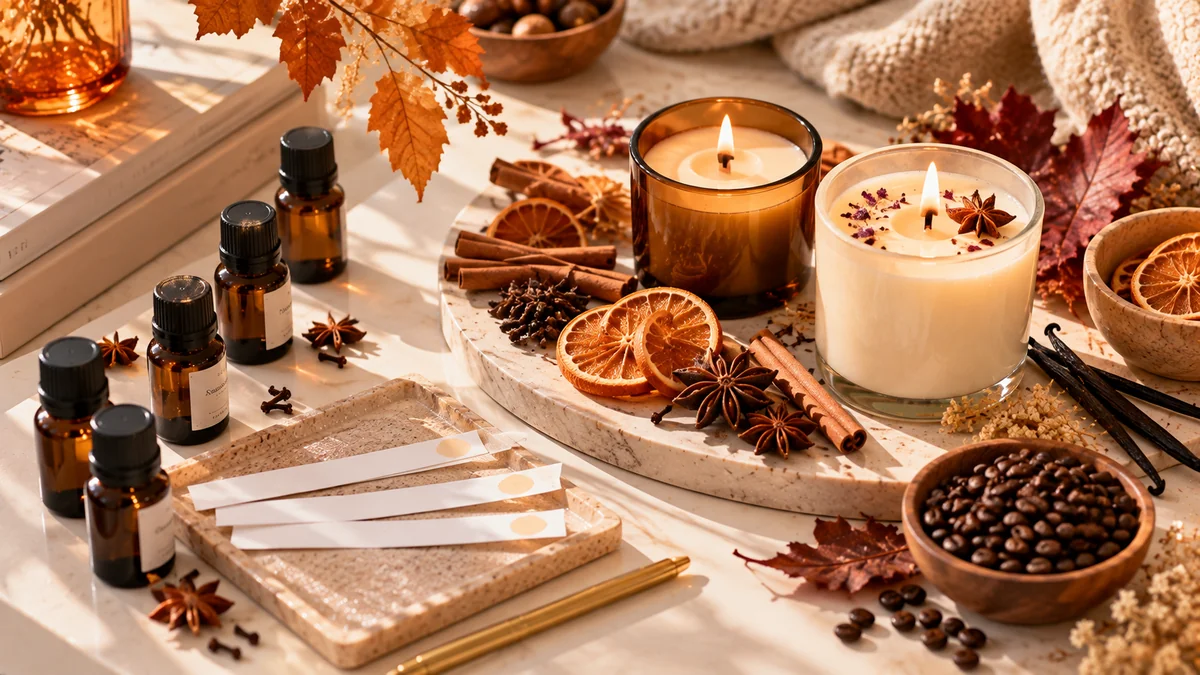
Think in Fragrance Families
Fragrance families offer a useful vocabulary for describing preference. As explored in our guide to understanding candle fragrance families explained, woody, floral, citrus, spicy and gourmand directions can help you narrow a search, although blends often overlap. A candle described as woody may also have sweet or fresh elements.
Use the description as a starting point rather than a guarantee of how the scent will feel to you. Two candles with similar note lists can smell different because the blends and overall balance differ. When possible, compare an actual sample or ask the maker to describe the dominant impression. The order and quantity of listed notes do not provide a reliable candle recipe.
Explore Woody Notes for a Calm Setting
Woody descriptions can suggest dry, smooth, earthy or smoky impressions. They may suit a room where you want an understated atmosphere rather than obvious sweetness. Think about whether you enjoy the feeling of polished wood, a forest-like dryness or a deeper, more resinous character.
Not every woody fragrance is heavy. Some blends pair wood impressions with fresher elements, which can suit smaller or more enclosed rooms. Ask what leads the fragrance and what sits behind it. If you already dislike smoky smells, do not assume you will enjoy a scent simply because it is described as sophisticated or seasonal.
Understand Amber as a Fragrance Description
In candle descriptions, amber usually refers to a warm fragrance impression or accord rather than a single ingredient you can identify from the name. Different amber-style blends can feel sweet, resinous, powdery or softly woody.
If you are considering an amber vanilla candle, ask whether vanilla is the central impression or a supporting note. Some people enjoy a dessert-like direction; others prefer warmth with less sweetness. Compare the whole blend. The word amber does not tell you about fragrance strength, material origin or safety, and it should not be used as evidence for a health or relaxation claim.
Choose Vanilla According to Sweetness
Vanilla-style fragrances can create a soft, familiar atmosphere, but they are not all equally sweet. Some feel creamy or lightly powdery, while others suggest a more obvious gourmand direction. Your choice should reflect what you want to smell repeatedly at home.
If you find rich sweet scents tiring, look for a blend where vanilla supports woods or another balancing impression. If you enjoy food-inspired fragrance, you may prefer a more prominent vanilla character. Smell slowly and take breaks between comparisons. A scent that seems appealing for a moment may be less enjoyable when you imagine it as the background to an entire evening.
Use Spicy Impressions with Restraint
Clove, cinnamon and nutmeg descriptions often appear in seasonal scent collections. They can suggest a warm kitchen, a familiar drink or a festive setting, but a note name does not mean the finished candle contains kitchen spices.
Choose the balance rather than the theme alone. A subtle spicy element may give depth to an otherwise soft blend; a strongly spice-led fragrance may feel too present for some rooms or people. For a workshop, use only the oils and measurements provided. Do not add powders, food ingredients or essential oils to a candle based on a scent description found online.
Keep Some Freshness if You Prefer a Lighter Room
Autumn fragrance does not have to exclude citrus, floral or green impressions. A fresher element can make a warm blend feel more open. This may appeal if you enjoy lighter scents throughout the year and want only a small seasonal change.
Think about the room’s purpose. A work area may suit a quieter, cleaner impression, while a living room used for evening conversation may feel comfortable with more warmth. These are personal choices rather than rules. Avoid selecting a fragrance solely because another person associates it with a particular season. Your home and your preferences are the more useful reference points.
Compare Cold Scent and the Intended Use
The scent of an unlit candle is useful, but it does not fully predict the experience while burning. Understanding the practical dynamics of candle cold throw vs hot throw helps set realistic expectations for how scent disperses when heated. Ask the maker how they describe the candle’s performance and follow any available product guidance. Vessel, formulation and use conditions all influence the finished experience.
Do not judge a candle only by how strong it smells at the shop. A very noticeable cold scent may not be the most comfortable choice for your room. If you are unsure, begin with a fragrance direction you already enjoy. Use the candle according to its label and assess whether it suits the space before buying several items in the same blend.
Account for Shared Spaces and Sensitivities
Fragrance preferences are not universal. In a shared home, ask whether the people using the room enjoy scented candles and whether anyone experiences discomfort around fragrance. An unscented decorative option or no candle may be the better choice for some settings.
Do not describe a scent as suitable for everyone or make medical claims about its effects. If someone finds fragrance uncomfortable, respect that response rather than encouraging them to get used to it. In a workshop, tell the organiser in advance and ask whether the activity can be adjusted. A pleasant seasonal atmosphere should remain comfortable for the people actually present.
Choose a Candle for the Way You Live
Consider where the candle will sit, how often you intend to use it and whether you can supervise it properly. A decorative vessel is not enough reason to place a burning candle on a crowded shelf or near curtains.
Read the care instructions for the specific product, including wick maintenance and burn limits. Keep the candle on a stable, suitable surface and away from children, pets and drafts. Do not leave it burning unattended. A fragrance that suits your taste is only one part of a good purchase; clear product guidance and practical use matter just as much.
Explore Scent through a Guided Workshop
A guided candle experience can help you put words to your preferences. Rather than buying from a note list alone, you can explore the options offered for the session and make choices with a facilitator’s guidance.
Booking a hands-on fragrance workshop in Dubai allows you to discover how base, heart, and top notes interact before pouring your custom vessel. Ask about the available fragrance selection and whether blending is part of the chosen package. Studio Kinza offers candle-making experiences with fragrance options that vary by format. Describe your preferred direction and any notes you dislike. Do not assume a workshop provides every seasonal fragrance or teaches commercial formulation. Its value can be discovering a combination you enjoy through a supported creative experience.
Make a Seasonal Gift without Guessing Too Much
For a gift, choose according to the recipient’s habits rather than your own favourite scent. If you know they enjoy light florals, an intensely smoky candle may be a poor autumn surprise. A familiar direction with a small warm element can be easier to appreciate.
Ask whether they use scented candles and consider their household. Check product care information and packaging before gifting. If their preferences are unknown, an experience gift or a choice of fragrance may be more thoughtful than presenting a very distinctive blend as universally appealing. Verify voucher terms and availability so the gift is practical as well as personal.
Build a Simple Scent Wardrobe
You do not need a different candle for every season or every room. A small selection can provide enough variety: perhaps one lighter option and one warmer blend. Use them separately rather than layering several burning scented candles in the same space.
Keep notes about what you enjoyed, where you used it and whether the fragrance felt comfortable. This gives you a better reference for future purchases than relying on fashionable names. Store products according to the maker’s instructions and avoid heat or direct sunlight where advised. Over time, your own experience becomes the clearest guide to seasonal scent choices.
Five Key Takeaways
- Choose the atmosphere you want before focusing on a seasonal name.
- Note lists describe impressions rather than complete formulations.
- Warm fragrances can still include lighter balancing elements.
- Consider shared spaces, personal preference and sensitivity.
- Follow the specific candle’s care and use instructions.
Frequently Asked Questions
What makes a candle fragrance feel autumnal?
Many people associate woody, softly sweet or spicy impressions with the season. These associations are personal. A lighter fragrance can also suit an autumn routine if it creates the atmosphere you enjoy.
Are amber and vanilla the same fragrance?
No. Amber-style accords and vanilla impressions can appear together, but they describe different aspects of a blend. Ask which element is dominant rather than assuming every amber vanilla candle smells alike.
Can I add kitchen spices to a candle?
Do not improvise additions based on a fragrance name. Candle materials require appropriate selection and testing. In a workshop, follow the facilitator’s process and use only the materials provided for the session.
Will an unlit candle smell identical when burning?
Not necessarily. The unlit scent is an introduction rather than a complete prediction of use. Ask for product guidance and follow the care label when assessing the candle in your own space.
How do I choose for an air-conditioned home?
Think about the room, the people sharing it and how present you want the fragrance to feel. Avoid drafts around a burning candle and follow product instructions rather than assuming one scent suits all indoor conditions.
Can a workshop help me choose a fragrance?
A guided session can help you explore available options and describe preferences. Confirm the scent selection and blending format before booking, especially if you want a particular seasonal direction.
About Studio Kinza
Studio Kinza offers guided candle-making experiences and handcrafted soy candles in Dubai formulated with clean botanical waxes and refined fragrance profiles. Explore the current products or ask about a workshop where you can discover fragrance preferences with support from the team. Follow the care guidance provided with every finished candle.
Plan Your Experience
Ready to discover your signature autumn blend? Contact Studio Kinza to enquire about current studio workshop dates or to book a bespoke sensory consultation at our Warsan creative space.
How to Choose a Candle-Making Workshop for a Corporate Year-End
How to Choose a Candle-Making Workshop for a Corporate Year-End...
Read More
Autumn Fragrance Notes Candles UAE
Autumn Fragrance Notes for Candles: Choosing a Seasonal Scent in...
Read More
Halloween Activities Adults Dubai Beyond Costumes
Halloween Activities for Adults in Dubai Beyond Costume Parties Halloween...
Read More