

How Does Light Direction Change the Appearance of Texture and...
Read MoreWhy Do Some Smells Linger Longer Than Others? The Science of Volatility
Some smells appear for a moment and vanish. Others seem to remain in clothing, furniture or air long after their source has gone. The difference begins with how odour molecules move and continues with how rooms, materials and human perception affect them.
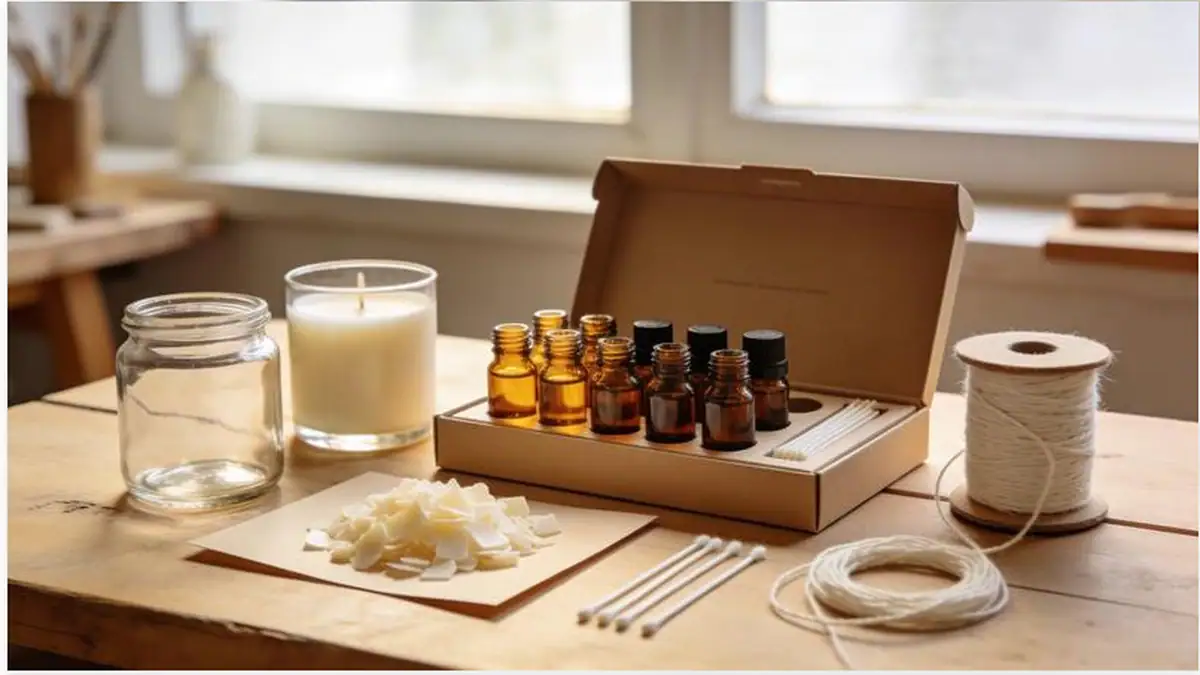
Why some aromas vanish and others remain
A freshly peeled citrus fruit can fill the air with an immediate burst of aroma, while the smell of wood, spices or cooked food may persist much longer. This difference is partly explained by volatility: how readily a substance moves into the gas phase. But lingering smell is not governed by volatility alone. The amount released, how strongly the nose detects it, and how molecules interact with surfaces and airflow all matter. Understanding these factors helps explain why an aroma can seem fleeting in one setting and persistent in another without assuming that one fragrance is automatically stronger or better.
The important distinction is between the amount of aromatic material present and the strength a person reports. These are related but not identical. When comparing persistence, note whether you are observing physical release from a source, transport through a room or a change in the observer’s sensitivity.
Volatility in plain language
Volatile compounds can escape from liquids or solids into the surrounding air. At a given temperature, substances differ in vapour pressure, a measure related to their tendency to enter the gas phase. Compounds with relatively high vapour pressure generally evaporate more readily than those with lower vapour pressure, all else being equal. This is why some aromatic ingredients create a rapid initial impression while others emerge more gradually. However, a fragrance is usually a mixture, and its components may interact. Volatility is therefore a useful starting point rather than a complete prediction of the scent you will experience.
Evaporation is not the same as disappearance
When an aromatic molecule evaporates, it has moved from a surface into the air; it has not necessarily been destroyed. Once airborne, it may disperse, leave through ventilation, react chemically or settle onto another surface. A scent may become undetectable because its concentration drops below the observer’s threshold, even though some molecules remain present. Conversely, a smell can reappear when absorbed compounds are released again from fabric or furnishings. Distinguishing physical movement from chemical breakdown helps make sense of why odours can fade, return or spread between rooms.
The role of temperature
Higher temperatures often increase evaporation rates and change how rapidly aromatic compounds enter the air. A warm environment may therefore produce a stronger initial aroma while also using up some readily released material more quickly. In home fragrance, this thermal dynamic is directly related to candle cold throw vs hot throw, where heat transforms solid wax into an active vapor source. Temperature can also affect air movement and the properties of surfaces holding the compounds. It does not mean every smell will last less time in every warm setting; the total effect depends on the source, chemistry and ventilation. A useful comparison keeps the source and airflow constant while changing one environmental variable at a time.
Airflow and ventilation
Moving air transports odour molecules away from their source. A fan can make a scent noticeable farther away for a short period, yet good ventilation can also dilute and remove it from a room. In a closed space, molecules may accumulate and linger because they have fewer routes out. In a well-ventilated space, concentration may fall more quickly even when the source continues releasing aroma. Understanding why a candle smells stronger in some rooms highlights how air drafts, square footage, and ceiling height influence scent diffusion. Room size alone does not determine the outcome; air exchange is equally important.
Porous materials can hold odours
Curtains, carpets, upholstery, paper and unfinished wood can absorb or adsorb some odour compounds. Later, these materials may release molecules back into the air, extending the apparent life of a smell. The precise behaviour depends on the chemical properties of the odourant and the surface. Smooth glass and porous fabric will not necessarily retain an aroma in the same way. This is why a cooking smell can remain noticeable on textiles after the kitchen air has cleared. Cleaning the air may not remove molecules already associated with surfaces.
Molecular structure and odour persistence
Molecular size, shape, polarity and interactions with other materials influence volatility and persistence, but there is no universal rule that all heavier molecules last longer or that all lighter molecules disappear immediately. Chemical families can vary widely within themselves. The ability of a compound to bind to surfaces and the sensitivity of the human nose to that compound may matter as much as its evaporation rate. In fragrance science, descriptive terms such as bright, airy or deep often correspond to experiences rather than exact physical categories. Chemistry explains trends, not every subjective impression.
Detection thresholds influence the sense of lingering
A molecule that the nose detects at an extremely low concentration can remain noticeable after most of it has dispersed. Another compound may be present in a larger amount but fall below its detection threshold sooner. Examining what an odour threshold is and how smell sensitivity works illustrates why human perception does not follow a simple linear scale. This means perceived longevity is not simply a stopwatch measuring evaporation. It is a combination of concentration over time and human sensitivity. In complex mixtures, a tiny persistent component can shape the final impression even when more volatile components have already faded. The last note noticed is not necessarily the largest quantity left.
Chemical reactions can create or remove smells
Some odour molecules react with oxygen, light, ozone or other substances in the environment. Reactions can reduce the original aroma, create new smelling compounds or change the overall balance of a mixture. Food odours, for example, may evolve as volatile products form during cooking and as residues age afterward. Not every lingering smell is simply the original ingredient evaporating slowly. A changing odour profile can reflect ongoing chemistry as well as changing concentration. This is another reason a scent’s duration cannot be predicted from one physical property alone.
How to observe scent persistence at home
To explore the science, compare two mild, familiar aromatic materials on identical clean surfaces in a ventilated room, without mixing chemicals or heating unknown substances. Note the initial impression, then check at spaced intervals rather than sniffing continuously. Record room temperature, airflow and the surface used. Ask a second person to assess samples independently if possible, because adaptation affects perception.
Those seeking a deeper understanding of note evaporation, scent layering, and olfactory chemistry can join a hands-on fragrance workshop in Dubai to blend individual top, middle, and base notes directly under expert guidance. This informal exercise cannot measure vapour pressure or establish safety, but it can reveal how source material, environment and individual sensitivity combine to determine whether a smell seems to linger.
Five Key Takeaways
- Volatility controls airborne release: Compounds with higher vapor pressure evaporate into the air faster, creating an immediate initial scent burst.
- Evaporation is physical movement: Molecules that evaporate disperse into the air or settle on surfaces rather than being destroyed.
- Room conditions dictate longevity: Temperature, ventilation rates, and ceiling height directly alter how quickly aromatic compounds clear.
- Porous surfaces act as scent reservoirs: Fabrics, untreated wood, and upholstery absorb aroma molecules and slowly re-release them over time.
- Human sensitivity shapes perceived duration: Scents with extremely low detection thresholds appear to linger longer even at trace airborne levels.
Frequently Asked Questions
Does a lingering smell always mean a high concentration?
No. Some compounds remain detectable at very low concentrations.
Why do fabrics hold smells?
Odour molecules can interact with fibres and later return to the air.
Does warmth always make scents disappear faster?
Not always. Heat can increase release, but the total persistence depends on other factors.
Does ventilation remove smells?
Ventilation can dilute and carry airborne odours away, though materials may retain residues.
Is volatility the same as scent strength?
No. Volatility concerns movement into air, while perceived strength depends on concentration and sensitivity.
Can a smell change while lingering?
Yes. Different components fade at different rates, and chemical reactions can alter the mixture.
About Studio Kinza
Studio Kinza is a Dubai-based artisan fragrance house located in Warsan, International City. We craft clean-burning handcrafted soy candles formulated with non-toxic botanical waxes and premium fine oils. Through sensory experiences, masterclasses, and creative workshops, we explore the science of fragrance evaporation, olfactory mechanics, and mindful craft.
Plan Your Experience
Interested in discovering how different aromatic compounds evaporate and interact? Contact the Studio Kinza team to reserve seats in an upcoming candle-making session, book a private fragrance blending masterclass, or enquire about custom corporate scent experiences.

How Temperature Affects Smell Perception
How Does Temperature Change the Way We Perceive Smell? A...
Read More
Colour Contrast Candle Label Readability
The Science of Colour Contrast: Why Some Candle Labels Are...
Read More
History Of Beeswax Candles
How Did Beeswax Candles Become Important in Historical Lighting? A...
Read More