
How to Plan a Diwali Candle-Making Get-Together at Home in...
Read MoreHow Interactive Pop-Up Experiences Increase Brand Awareness in Dubai
Walk through any major Dubai mall on a weekend and you’ll likely pass at least one branded pop-up competing for attention alongside dozens of retail storefronts. Most get a glance and are forgotten within the hour. The ones that stop people in their tracks – and get remembered, photographed, and talked about afterward – almost always have one thing in common: they give visitors something to actually do, not just something to look at. Pop up experiences built around genuine interaction have become one of the more reliable tools for cutting through Dubai’s increasingly crowded retail and event landscape.
Having supplied interactive stations for pop-ups across malls, hotel lobbies, and standalone retail activations in Dubai, we’ve had a front-row view of which elements genuinely drive engagement and which ones simply take up floor space. This guide covers what pop-up experiences actually are, the benefits they offer over static displays, ideas for brand activation, real patterns we’ve observed across different campaign types, and how to think about measuring return on the investment.
What Are Pop-Up Experiences
A pop-up experience is a temporary, often short-term installation or activation designed to create a memorable, interactive moment for the public, typically tied to a specific brand, product, or campaign.
Distinct From a Standard Retail Pop-Up
While many pop-ups are simply temporary retail spaces selling a product, an experiential pop-up goes further by giving visitors something to participate in – a demonstration, a guided activity, or a hands-on station – rather than just a smaller version of a regular store.
Built for a Specific Window of Time
Part of what makes pop-up experiences effective is their temporary nature. Because they’re only available for a limited period, they carry a built-in sense of urgency that a permanent retail presence simply can’t replicate.
Where They Typically Appear
Malls, hotel lobbies, event venues, and standalone locations during major campaigns or seasonal pushes are the most common settings for experiential pop-up events in Dubai, chosen largely for the footfall each location naturally provides.
Benefits
The reasons brands keep investing in interactive pop-ups, despite the logistical effort involved, come down to a consistent set of advantages.
- Genuine attention capture. An interactive element naturally draws people in far more effectively than a static display or standard sampling table.
- Extended dwell time. Visitors who actively participate in an activity tend to spend meaningfully longer at a brand’s touchpoint than those simply glancing at a display.
- Organic content generation. Guests who create or experience something visually interesting are far more likely to photograph and share it, extending a brand’s reach beyond the physical footprint of the activation.
- Stronger brand recall. Emotional, participatory experiences tend to be remembered more vividly than passive advertising exposure, which supports longer-term brand awareness beyond the immediate campaign window.
- Direct customer feedback loop. Staff running an interactive station get real-time, informal insight into how customers respond to a brand or product, insight that’s harder to gather from passive advertising.
Brand Activation Ideas
Interactive pop-ups can take many forms depending on a brand’s goals, audience, and available space.
Guided Creative Stations
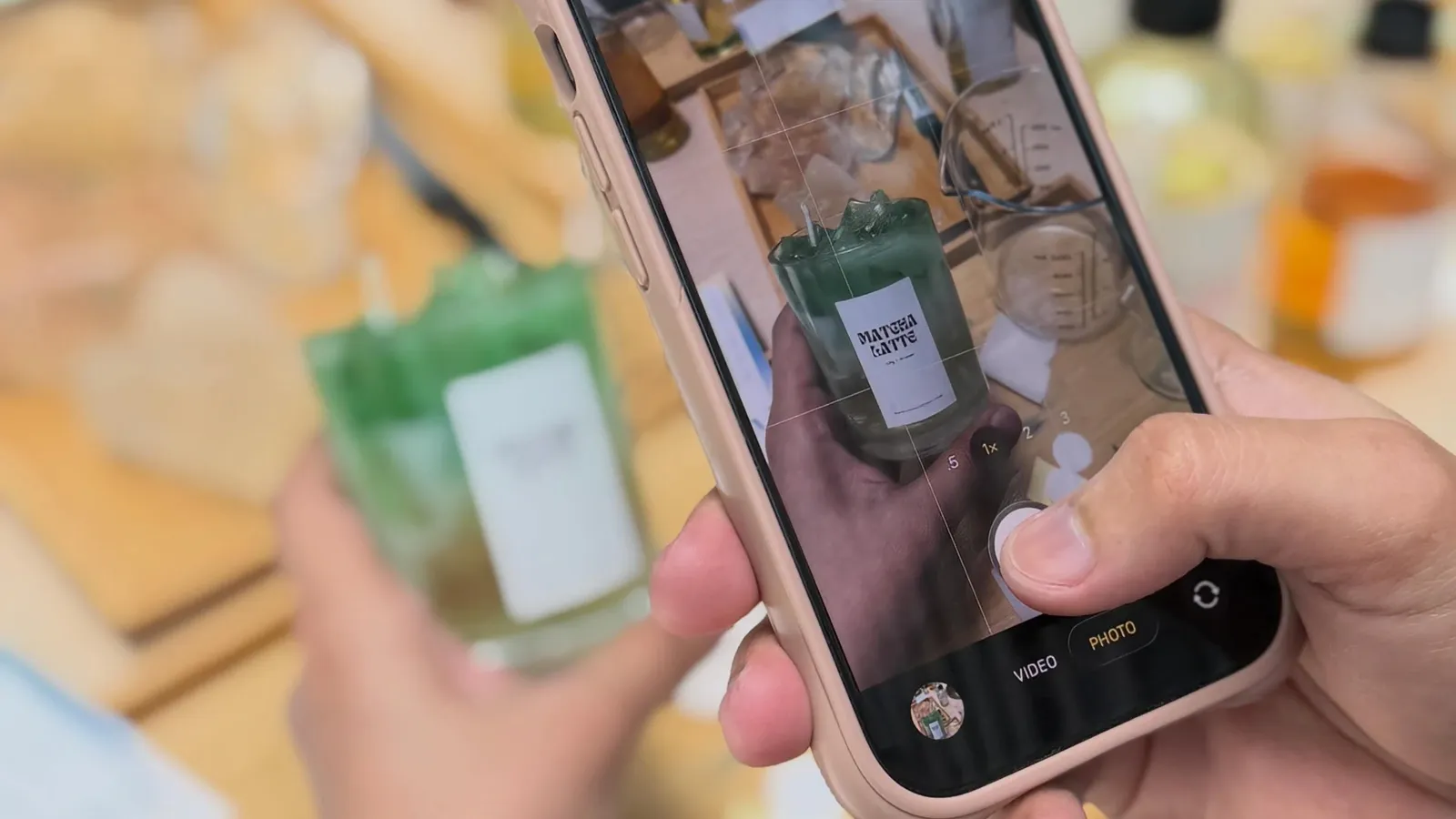
Partnering with a creative studio for a hands-on activity – such as a branded candle-making station – gives visitors a genuine reason to stop and engage, along with a physical item to take home that extends the brand’s presence into their daily life afterward.
Businesses looking for memorable experiential marketing campaigns can explore our Brand Activations service, where customised candle-making experiences are designed for shopping malls, product launches, exhibitions, and retail events.
Product Demonstrations With a Participatory Twist
Rather than simply showing a product, letting visitors interact with it directly – testing, customising, or experiencing it firsthand – tends to build trust and interest more effectively than a passive demonstration.
Photo-Worthy Installations
Visually striking, Instagram-friendly setups encourage organic sharing, particularly when paired with an interactive element that gives visitors a personal reason to want a photo, rather than simply photographing the display itself.
Seasonal and Campaign-Tied Activations
Timing a pop-up around a specific season, holiday, or campaign moment – rather than running it as a standalone, disconnected event – tends to generate stronger footfall and media relevance than an activation with no clear timing hook.
Case Studies in Practice
While every brand’s specific results vary by campaign, category, and execution, a few consistent patterns have emerged across the interactive activations we’ve supported.
Lifestyle and Wellness Brands See Particularly Strong Engagement
Brands in the wellness, home, hospitality, and beauty categories tend to see especially strong engagement from sensory, hands-on activations like a candle-making station, since the activity itself naturally reflects the brand’s positioning rather than feeling like an unrelated add-on.
Longer Activations Build Momentum
Multi-day or multi-week pop-ups tend to build word-of-mouth momentum over their run, with later days often seeing stronger footfall than the opening as awareness spreads through social sharing and word of mouth from earlier visitors.
Mall Placement Significantly Affects Footfall
Positioning within a mall – near a main entrance versus a quieter upper floor – makes a measurable difference to activation footfall, which is worth prioritising over other considerations like a larger footprint in a less-trafficked location.
ROI
Measuring the return on an interactive pop-up requires looking beyond simple foot traffic counts.
Engagement-Based Metrics
Time spent at the activation, number of participants versus passersby, and completion rates for any guided activity all offer a clearer read on genuine interest than raw visitor counts alone.
Social and Content Metrics
Organic social mentions, tagged posts, and user-generated content volume during and after the activation help quantify the extended reach beyond the physical footprint of the pop-up itself.
Lead Quality Over Lead Quantity
Contact details or sign-ups collected through a genuinely engaging activation tend to represent more qualified interest than those gathered through a passive sampling table, since visitors have already demonstrated real engagement before providing their information.
Longer-Term Brand Tracking
For brands running interactive activations as part of a broader awareness strategy, tracking shifts in brand recall or sentiment over subsequent months offers a fuller picture than judging success solely on the activation period itself.
Budgeting for an Interactive Pop-Up
Costs for pop-up experiences vary widely depending on scale, duration, and format, and it helps to think about the investment relative to what a static alternative would cost.
Comparing Interactive vs Static Activations
A static display or standard sampling table typically costs less upfront than a fully staffed interactive station, but often delivers substantially lower engagement and content value per visitor, which affects the true cost-per-impression once results are compared.
Scaling Investment to Campaign Goals
For smaller budgets, a compact interactive station with limited hours can still capture much of the engagement benefit of a larger activation, making the format accessible even for brands without a large event marketing budget.
Factoring in Content and Long-Term Value
Beyond the immediate campaign period, the photography and user-generated content produced during a well-executed pop-up often has ongoing value for a brand’s broader marketing, which is worth weighing against the upfront activation cost.
Planning a Pop-Up That Actually Performs
A few practical considerations separate a pop-up experience that genuinely drives awareness from one that simply occupies space.
Matching the Activity to Brand Identity
The interactive element should feel like a natural extension of the brand, not a generic add-on. A sensory, unhurried activity like candle-making suits brands built around home, wellness, or gifting particularly well.
Staffing for a Premium Feel
Understaffing is one of the most common reasons an otherwise well-conceived activation feels rushed or chaotic during peak footfall periods, undermining the premium impression the brand is trying to create.
Timing Around Retail and Campaign Calendars
Aligning the pop-up’s timing with a specific campaign, seasonal moment, or retail calendar event tends to generate stronger relevance and footfall than running the activation in isolation.
Common Pitfalls to Avoid
A few recurring mistakes tend to undermine otherwise well-conceived pop-up experiences.
Underestimating Staffing Needs
Perhaps the most common issue we’ve observed is brands underestimating how many staff a genuinely interactive station requires during peak footfall periods, leading to queues that discourage participation rather than encouraging it.
Overcomplicating the Activity
An interactive element that takes too long or requires too much explanation tends to lose casual mall visitors who weren’t planning to stop for an extended activity. The most successful pop-up activations tend to keep the core interaction simple enough to complete in a few minutes, even if deeper engagement is available for visitors who want it.
Neglecting Post-Event Follow-Up
Brands that treat the pop-up as a standalone event, without any plan to follow up with engaged visitors afterward – through email capture, social retargeting, or a clear next step – often leave significant value on the table relative to what the activation could have generated.
Bring an Interactive Pop-Up to Your Next Campaign
A branded candle-making station gives your pop-up a genuine reason for visitors to stop, participate, and remember your brand afterward. Explore Brand Activations to plan your next activation, or browse our Live Candle Bar for a similar interactive element at a standalone event. For more brand activation ideas and case studies, visit our Journal.
Key Takeaways
- Interactive pop-up experiences drive stronger engagement than static displays or standard sampling.
- Genuine participation extends dwell time and encourages organic social sharing.
- Lifestyle and wellness brands see particularly strong results from sensory, hands-on activations.
- Mall placement and activation length both significantly affect overall footfall and momentum.
- ROI should be measured through engagement quality, social reach, and lead quality, not just visitor counts.
- Staffing levels and brand-activity alignment both play a major role in how premium the experience feels.
Why Brands Trust Studio Kinza for Interactive Pop-Up Experiences
Studio Kinza has partnered with brands, shopping malls, hotels, exhibitions, and event agencies across Dubai and Abu Dhabi to deliver engaging pop-up experiences that combine creativity with measurable customer engagement. Our interactive candle-making activations are designed to increase visitor participation, encourage social sharing, and leave guests with personalised keepsakes that extend brand recall beyond the event itself. Backed by 350+ five-star Google reviews and experience supporting campaigns for leading UAE businesses, Studio Kinza creates experiential activations tailored to each brand’s objectives.
FAQs
1. What is an interactive pop-up experience?
It’s a temporary installation or activation designed to give visitors something to actively participate in, rather than simply observe, typically tied to a specific brand or campaign.
2. How is a pop-up experience different from a standard retail pop-up?
A standard retail pop-up is usually a smaller, temporary version of a regular store, while an experiential pop-up specifically includes an interactive or participatory element beyond simple product display and sale.
3. What types of brands benefit most from interactive pop-ups?
Lifestyle, wellness, home, hospitality, and beauty brands tend to see particularly strong engagement, since sensory activations often align naturally with these categories.
4. How can brands measure the success of a pop-up experience?
Common metrics include engagement time, participation rates, organic social mentions, lead quality, and longer-term brand recall tracking.
5. Where should a pop-up be positioned within a mall for maximum footfall?
Positioning near a main entrance or high-traffic area generally performs significantly better than a quieter upper floor, even if it means a smaller footprint.
6. How long should an interactive pop-up run for best results?
Multi-day or multi-week activations tend to build word-of-mouth momentum over time, often seeing stronger footfall later in the run than at the opening.
7. Are interactive pop-ups suitable for smaller brands with limited budgets?
Yes, activations can be scaled to fit different budgets and footprints, with smaller pop-up stations still offering many of the same engagement benefits as larger activations.
8. What makes a pop-up experience shareable on social media?
Combining a visually appealing setup with a genuine participatory element gives visitors a personal reason to photograph and share, rather than simply photographing a static display.
9. How far in advance should a pop-up activation be planned?
For larger activations requiring custom branding or a bigger footprint, six to eight weeks is generally advisable to allow time for design, staffing, and mall or venue coordination.
10. Is an interactive pop-up worth the investment compared to a static display?
While the upfront cost is typically higher, interactive activations tend to deliver stronger engagement, longer dwell time, and more organic content per visitor, which often improves the true cost-per-impression when compared fairly against a static alternative.
About Studio Kinza
Studio Kinza is Dubai and Abu Dhabi’s most reviewed candle-making experience – a fragrance house of hand-poured, 100% natural soy candles that began in a home kitchen and now hosts corporate workshops, private celebrations, and candle-making classes for groups of two to thirteen hundred. Every candle-making experience is made with clean, natural fragrance, backed by 350+ five-star Google reviews and trusted by some of the UAE’s most respected brands.
Diwali Candle Gifts Dubai
Diwali Candle Gifts in Dubai: Thoughtful Ideas for Hosts, Friends...
Read More
Alternative Birthday Party Ideas For Teens Who Want Something Different
Alternative Birthday Party Ideas for Teens Who Want Something Different...
Read More
Teen Birthday Celebration In Dubai Make Your Own Scented Candle
Teen Birthday Celebration in Dubai: Make Your Own Scented Candle...
Read More