How to Plan a Diwali Candle-Making Get-Together at Home in...
Read More15 Creative Office Team Building Games That Actually Work (Dubai 2026 Guide)
Office team building does not need to involve awkward introductions, forced competition, or activities that employees quietly try to avoid.
In today’s multicultural business environment across Dubai, Abu Dhabi, DIFC, Business Bay, Downtown Dubai and the wider UAE, companies are increasingly looking for team-building experiences that respect individual personalities while strengthening workplace relationships.
The most effective office team building games have a clear purpose, simple instructions and an appropriate level of participation.
A well-planned activity helps colleagues communicate more effectively, solve problems collaboratively and better understand one another’s working styles. On the other hand, poorly designed games can feel childish, uncomfortable, or disconnected from real business objectives.
For HR managers, office administrators, people & culture teams and corporate event planners, the objective is not simply to entertain employees. It is to create meaningful experiences that improve communication, build trust, strengthen workplace culture, increase employee engagement and support long-term retention.
This guide explores 15 practical, professional and creative office team building games suitable for modern workplaces across Dubai and the UAE, from quick office icebreakers to premium creative workshops led by Studio Kinza.
Office team building games are structured workplace activities designed to improve communication, collaboration, employee engagement and problem-solving. In modern workplaces across Dubai and the UAE, businesses increasingly use creative team-building experiences, including problem-solving games, communication exercises and hands-on workshops, to strengthen workplace culture, improve employee wellbeing and encourage cross-department collaboration.
Why Office Team Building Games Matter
Many workplace challenges are rooted in communication rather than capability.
Employees may work in the same organisation every day while having limited understanding of:
- What other departments do
- How colleagues prefer to communicate
- Where responsibilities overlap
- Which processes create unnecessary delays
- Who can provide support for specific challenges
In multicultural UAE workplaces, these communication gaps can become even more noticeable as teams collaborate across different cultural backgrounds, languages and working styles.
Structured team-building games provide a low-risk environment where employees can practise communication, collaboration, creative thinking and problem-solving in a relaxed setting.
Based on Studio Kinza’s experience delivering corporate workshops across Dubai and the UAE, successful team-building activities share several characteristics:
- The purpose is clearly explained.
- Participation feels voluntary, respectful and inclusive.
- Activities suit the team and business objective.
- Instructions are simple and easy to follow.
- Sessions fit comfortably within working hours or retreat schedules.
- Teams are given time to reflect on what they learned afterwards.
Office games should never be used to judge employee performance, diagnose personalities, or embarrass participants. Their purpose is to create positive shared experiences that strengthen workplace relationships.
Benefits of Workplace Team Building Activities
Better Communication
Team activities reveal how employees give instructions, ask questions, share information and respond when situations become uncertain.
Stronger Collaboration
Employees learn to work toward a common objective while recognising each person’s strengths and contributions.
Greater Trust
Well-designed activities encourage colleagues to share ideas, ask for help and support one another in a comfortable environment.
Cross-Department Relationships
Mixing employees from different departments creates new connections and improves collaboration across the organisation.
Improved Problem-Solving
Many team-building games require employees to analyse situations, prioritise information and develop creative solutions under simple constraints.
Higher Employee Engagement
Interactive activities help employees feel more connected to the organisation, increasing participation, motivation and workplace satisfaction.
Positive Workplace Culture
Consistent team-building initiatives contribute to a culture where communication, creativity, recognition and collaboration become part of everyday work.
15 Creative Office Team Building Games
1. The Paper Tower Challenge
Best For: Collaboration & Planning
Time: 20–30 Minutes
Group Size: 4–6 People per Team
Give each team:
- Paper
- Tape
- Scissors
- String
Challenge them to build the tallest freestanding tower within the allotted time.
This activity demonstrates how teams divide responsibilities, communicate under pressure, adapt when ideas fail and work together toward a shared goal.
After the activity, discuss:
- Did your team create a plan before building?
- How were responsibilities assigned?
- What would you do differently next time?
These discussions often provide valuable insights into workplace communication and decision-making.
2. Two Truths and a Work Story
Best For: Onboarding & New Teams
Time: 15–20 Minutes
Group Size: Small Groups
Each participant shares:
- Two true facts about their professional experience.
- One believable work-related story that is fictional.
The rest of the group guesses which story is invented.
Keep discussions work-focused to help employees discover interesting experiences while maintaining a comfortable and professional atmosphere.
3. The Silent Line-Up
Best For: Non-Verbal Communication
Time: 10–15 Minutes
Group Size: 8–20 People
Without speaking, employees arrange themselves according to criteria such as:
- Month they joined the company
- Distance travelled to work
- Alphabetical order by first name
The activity encourages observation, teamwork and non-verbal communication while highlighting different communication styles.
Avoid using personal criteria such as age, salary, or family circumstances.
4. Workplace Cultural Scavenger Hunt
Best For: Cross-Department Familiarity
Time: 20–30 Minutes
Group Size: Small Teams
Create clues that encourage employees to explore the workplace and interact with colleagues.
Examples include:
- Photograph a location where two departments regularly collaborate.
- Find an item representing a company value.
- Identify a colleague who has worked in another department.
Ensure the activity does not interrupt employees who are not participating.
5. The Marshmallow Structure Challenge
Best For: Rapid Prototyping & Collaboration
Time: 20 Minutes
Group Size: 4–5 People
Provide each team with:
- Dry spaghetti
- Tape
- String
- One marshmallow
Teams must construct the tallest structure capable of supporting the marshmallow on top.
This exercise demonstrates the importance of testing ideas early, adapting quickly and working collaboratively rather than waiting until the final stages of a project.
6. Workplace Pictionary
Best For: Creative Communication
Time: 20–30 Minutes
Group Size: Multiple Teams
Prepare cards featuring workplace-related concepts such as:
- Deadline
- Client Presentation
- Innovation
- Teamwork
- Strategy
- Collaboration
- Customer Service
One participant draws the assigned concept while teammates guess the answer.
This activity creates a relaxed atmosphere while reinforcing workplace terminology, encouraging creative thinking and improving communication skills.
Avoid using words related to internal conflicts or topics that could make employees uncomfortable.
7. The Process Improvement Challenge
Best For: Strategic Problem-Solving
Time: 30–45 Minutes
Group Size: 4–6 People per Team
Provide each team with a fictional workplace process, such as:
- Approving a purchase request
- Responding to a customer enquiry
- Planning an internal meeting
- Onboarding a remote employee
- Managing project approvals
Ask each team to identify unnecessary steps, remove bottlenecks and redesign the workflow for greater efficiency.
This activity encourages critical thinking while allowing employees to practise process improvement without criticising real workplace procedures or individuals.
8. Communication & Blind Drawing
Best For: Active Listening & Communication
Time: 20 Minutes
Group Size: Pairs
One participant receives a simple geometric image that must remain hidden.
Using only verbal instructions, they describe the image while their partner attempts to recreate it without asking to see the original.
After completing the drawing, compare both images and discuss:
- Which instructions were easy to understand?
- What assumptions affected the outcome?
- When should additional questions have been asked?
This activity demonstrates the importance of clear communication, active listening and avoiding assumptions in everyday workplace interactions.
9. Company Values in Action
Best For: Workplace Culture & Cultural Alignment
Time: 30 Minutes
Group Size: Small Groups
Assign each group one of the company’s core values.
Ask them to prepare:
- A practical workplace example demonstrating the value.
- A situation where the value is ignored.
- One behaviour employees can adopt to support that value every day.
This exercise transforms company values from posters on the wall into practical workplace behaviours that employees can apply in their daily work.
10. The Five-Minute Innovation Pitch
Best For: Creativity & Idea Generation
Time: 30–45 Minutes
Group Size: 3–5 People per Team
Provide each team with a simple workplace challenge, such as:
- How can we reduce unnecessary meetings?
- How can we improve the office kitchen?
- How can we make onboarding easier?
- How can we reduce unnecessary emails?
- How can we improve staff celebrations?
Teams are given limited preparation time before delivering a short 2-minute innovation pitch.
The emphasis should remain on practical ideas and collaboration rather than presentation skills.
11. The Resource Trading Challenge
Best For: Negotiation & Cross-Department Collaboration
Time: 30 Minutes
Group Size: Three or More Teams
Each team receives an incomplete set of materials needed to complete a shared objective.
Since no team has everything required, participants must negotiate, trade resources and collaborate with one another.
The activity highlights how cooperation between departments often produces better outcomes than working independently.
12. Peer Appreciation Circle
Best For: Employee Recognition
Time: 15–20 Minutes
Group Size: Departmental Teams
Gather employees in a relaxed circle and invite each participant to recognise a specific work-related contribution made by a colleague.
Examples include:
- Helping meet a challenging deadline.
- Supporting a new team member.
- Sharing valuable knowledge.
- Improving an internal process.
Recognition should focus on workplace behaviour and contributions rather than personality.
Employees should always have the option to pass if they prefer not to speak publicly.
This activity strengthens trust, boosts morale and reinforces a culture of appreciation.
13. The Executive Priority Challenge
Best For: Decision-Making Under Pressure
Time: 25–30 Minutes
Group Size: 4–6 People per Team
Present teams with a simulated business scenario containing 15 competing priorities.
Working together, they must identify the five most important actions and explain the reasoning behind their decisions.
This activity encourages strategic thinking while revealing different approaches to urgency, risk management, leadership and prioritisation.
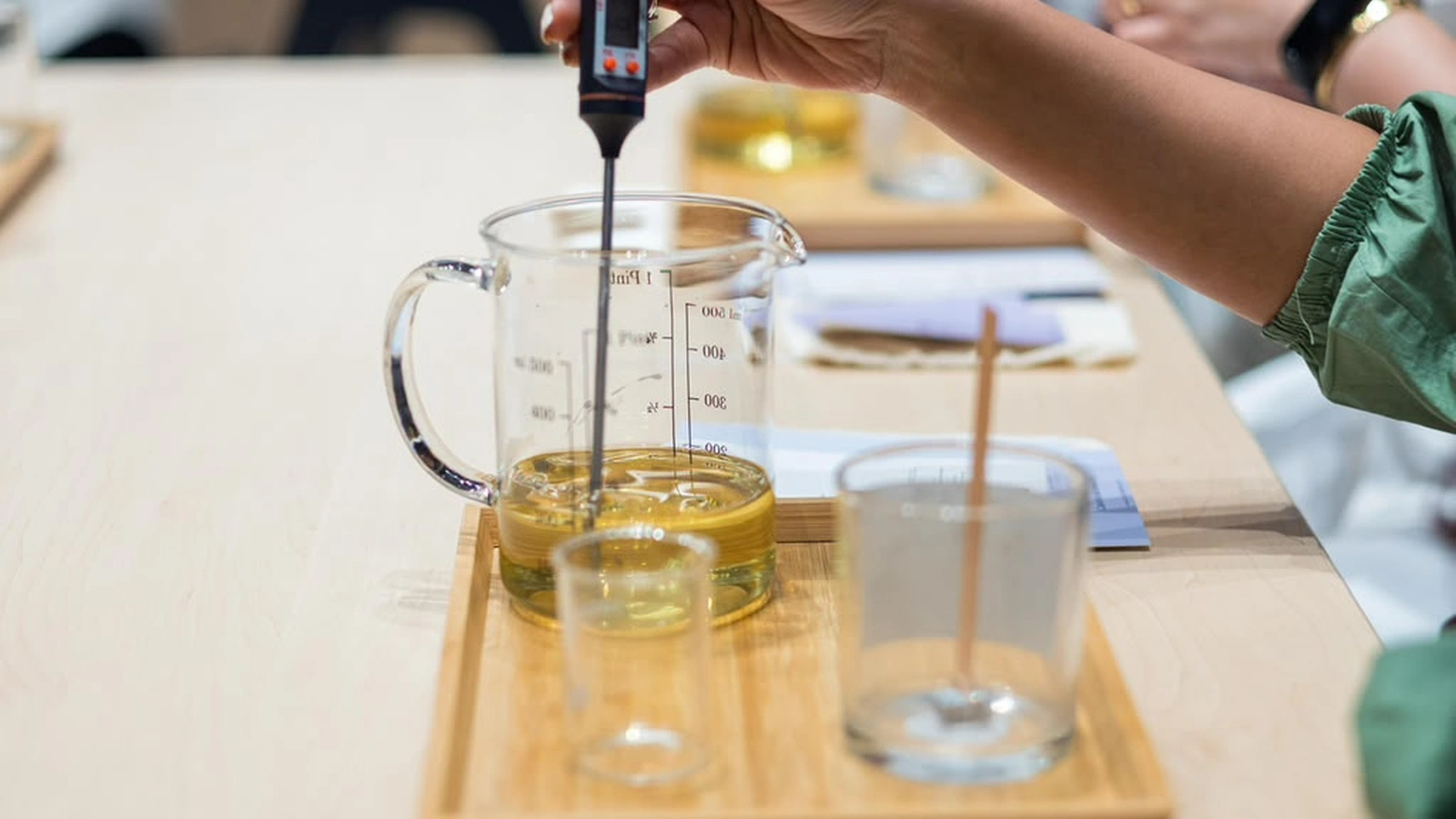
14. Immersive Creative Workshops (Studio Kinza Signature Experience)
Best For: Employee Engagement, Stress Relief, Team Bonding & Corporate Celebrations
Duration: 60–120 Minutes
For annual retreats, employee appreciation days, client events, or quarterly celebrations, creative workshops provide a memorable alternative to traditional office games.
Rather than focusing on competition, employees participate in relaxing hands-on experiences that encourage conversation, creativity and collaboration.
Popular workshop options include:
- Botanical Candle Making
- Fragrance Blending
- Pottery
- Painting
- Terrarium Building
- Cooking Experiences
Participants leave with a handcrafted keepsake while enjoying a premium team-building experience.
Studio Kinza delivers fully managed mobile Corporate Candle Making Workshops throughout Dubai and the UAE, including:
- Professional facilitators
- Premium materials
- Temperature-controlled equipment
- Complete setup and cleanup
- Corporate branding options
- Custom workshop experiences for offices, hotels, exhibitions and off-site venues
These workshops are ideal for employee wellness programmes, leadership retreats, client appreciation events and company celebrations.
15. The Team Retrospective Game
Best For: Continuous Improvement
Time: 30 Minutes
Group Size: Project Teams
Create three discussion areas labelled:
- Start
- Stop
- Continue
Employees anonymously write suggestions under each category.
The team reviews recurring themes together, helping managers identify practical improvements for future projects.
This retrospective encourages honest feedback while creating opportunities for continuous improvement and stronger team communication.
DIY Office Games vs. Professional Team Building Workshops
Choosing the right team-building activity depends on your objectives, available time, budget and the experience you want employees to have. While simple office games are excellent for weekly engagement, professionally facilitated workshops provide deeper collaboration, stronger employee connections and a more memorable experience.
Comparison | DIY Office Team Building Games | Studio Kinza Corporate Workshops |
Primary Goal | Quick engagement and team interaction | Long-term team bonding and employee appreciation |
Duration | 15–30 minutes | 60–120 minutes |
Facilitator | HR team or office manager | Professional Studio Kinza facilitators |
Planning Required | Organised internally | Fully managed by Studio Kinza |
Materials | Office supplies | Premium workshop materials provided |
Employee Experience | Fun, collaborative games | Creative, hands-on experiences with take-home creations |
Best For | Weekly meetings, onboarding, icebreakers | Company retreats, annual events, client appreciation, wellness programmes |
Outcome | Improved communication and collaboration | Stronger engagement, creativity, stress relief and lasting memories |
Both approaches have value. Many organisations combine regular office games with quarterly or annual professionally hosted workshops to create a balanced employee engagement programme.
How to Choose the Right Office Team Building Game
Not every activity is suitable for every organisation. Before selecting a team-building game, consider the following factors:
1. Define Your Objective
Ask yourself:
- Do you want to improve communication?
- Strengthen collaboration?
- Celebrate a company milestone?
- Welcome new employees?
- Reduce workplace stress?
A clear objective helps ensure the activity delivers meaningful outcomes rather than simply filling time.
2. Consider Your Team Size
Small teams often benefit from discussion-based activities, while larger groups may require structured games or professionally facilitated workshops to keep everyone engaged.
3. Respect Different Personalities
Some employees enjoy public speaking, while others prefer quieter participation.
Choose activities that allow everyone to contribute comfortably without creating unnecessary pressure.
4. Keep Activities Inclusive
The best team-building experiences are accessible to employees of different ages, cultures, languages and physical abilities.
Avoid activities that rely heavily on athletic ability or personal disclosure.
5. Match the Available Time
- 15–20 minutes → Icebreakers
- 30–45 minutes → Team collaboration games
- 60–120 minutes → Creative workshops and corporate experiences
6. Include a Debrief
The discussion after the activity is often the most valuable part.
Ask questions such as:
- What worked well?
- What surprised you?
- What communication challenges emerged?
- How can we apply these lessons at work?
Reflection transforms a simple activity into a valuable learning experience.
Common Team Building Mistakes to Avoid
Even well-intentioned activities can fail if they are poorly planned.
Common mistakes include:
Forcing Participation
Employees should feel encouraged—not pressured—to participate.
Choosing Childish Activities
Corporate professionals respond better to meaningful, respectful experiences than games designed for children.
Ignoring Accessibility
Ensure activities are suitable for employees with different physical abilities, personalities and cultural backgrounds.
Making Employees Feel Embarrassed
Avoid games that require singing, dancing, acting, or sharing deeply personal information unless participants willingly choose to do so.
Focusing Only on Entertainment
The strongest activities combine enjoyment with learning, communication, collaboration, or creativity.
Skipping the Debrief
Without reflection, employees may enjoy the activity but miss the workplace lessons it was designed to reinforce.
Measuring the Success of Team Building Activities
Effective team building should create measurable improvements over time.
HR teams can evaluate success by monitoring:
- Employee participation rates
- Feedback survey results
- Cross-department collaboration
- Workplace communication improvements
- Employee engagement scores
- Team morale
- Manager observations
- Retention and satisfaction trends
Rather than measuring only attendance, focus on whether employees feel more connected, communicate more effectively and collaborate more confidently after the activity.
Plan Your Next Team Building Event with Studio Kinza
Whether you’re organising a quarterly team celebration, an employee appreciation event, a leadership retreat, or a corporate wellness programme, Studio Kinza creates memorable creative experiences that bring teams together.
Our fully managed mobile workshops are available across Dubai, Abu Dhabi and the UAE, with flexible experiences designed for offices, hotels, conference venues and off-site corporate events.
Popular experiences include:
- Corporate Candle Making Workshops
- Fragrance Blending Workshops
- Pottery Workshops
- Painting Experiences
- Seasonal Corporate Events
- Custom Team Building Activities
From planning and setup to facilitation and cleanup, our team manages every detail so your employees can focus on connecting, creating and enjoying the experience.
Frequently Asked Questions
What are the best office team building games for small teams?
Activities such as the Paper Tower Challenge, Blind Drawing, Workplace Pictionary and Two Truths and a Work Story work well for smaller groups because they encourage communication and collaboration without requiring large spaces.
What are the best indoor team building games for Dubai offices?
Indoor activities such as communication games, process improvement challenges, appreciation circles and creative workshops are ideal for Dubai workplaces, particularly during the summer months when outdoor activities may be less practical.
How long should an office team building activity last?
Quick office games usually last 15–30 minutes, while immersive creative workshops and team-building experiences typically run for 60–120 minutes, depending on the objectives and group size.
How often should companies organise team building activities?
Many organisations benefit from short monthly activities combined with larger quarterly or annual team-building events to maintain engagement and strengthen workplace relationships.
How can HR make team building activities inclusive?
Choose activities that avoid forced participation, personal disclosure, or physical challenges. Hands-on creative workshops and collaborative problem-solving exercises are suitable for multicultural and diverse workplaces.
Conclusion
Great office team building isn’t about filling an afternoon with games—it’s about creating meaningful experiences that strengthen communication, encourage collaboration and build a workplace culture where employees feel connected and valued.
Whether you’re planning a quick in-office activity or a fully hosted creative workshop, selecting the right experience can improve employee engagement, foster stronger relationships and leave a lasting positive impact on your team.
If you’re looking to create a memorable corporate experience in Dubai or anywhere across the UAE, Studio Kinza’s professionally facilitated workshops offer a unique way to bring people together through creativity, collaboration and shared experiences.
Studio Kinza specializes in premium corporate team-building workshops in Dubai and across the UAE. The company offers creative employee engagement experiences, including candle making, fragrance blending, pottery, painting and customized corporate workshops designed to strengthen workplace collaboration, improve communication and create memorable team experiences for organizations of all sizes.
Diwali Candle Gifts Dubai
Diwali Candle Gifts in Dubai: Thoughtful Ideas for Hosts, Friends...
Read More
Alternative Birthday Party Ideas For Teens Who Want Something Different
Alternative Birthday Party Ideas for Teens Who Want Something Different...
Read More
Teen Birthday Celebration In Dubai Make Your Own Scented Candle
Teen Birthday Celebration in Dubai: Make Your Own Scented Candle...
Read More