How to Plan a Diwali Candle-Making Get-Together at Home in...
Read MoreTeam Building Workshop Comparison: Candle Making vs Traditional
Choosing the right team building workshop format often comes down to a straightforward comparison HR teams rarely get to see laid out clearly: how does a creative, hands-on session actually compare to the trust falls, icebreaker games, and standard dinners that have defined corporate team building for decades? This guide compares the two formats directly, across the factors that genuinely matter for a team’s outcome.
How the Formats Compare
Understanding the core structural difference between the two approaches explains most of what follows.
Participation Levels
Traditional team building often positions employees as an audience for a facilitator or a passive participant in a scripted icebreaker, while candle making requires genuine, sustained hands-on participation from every single guest throughout the session.
Inclusivity Across Personalities and Seniority
Trust falls and physical icebreakers can disadvantage employees who are less physically confident or more introverted. A creative workshop like candle making offers an equally accessible entry point regardless of personality type or seniority, since no one arrives with a pre-existing advantage.
Setup and Logistics
Traditional formats often require specific venues, equipment, or outdoor space, while a candle-making session can be set up at almost any office, hotel, or venue with minimal logistical demands.
Tangible Output
A trust fall or icebreaker produces no physical outcome beyond the exercise itself, whereas candle making sends every participant home with a genuine, usable item — a difference that extends the activity’s impact well beyond the day itself.
Engagement and Memorability
Employees consistently report stronger, more specific memories of hands-on creative sessions compared to standard team building days, largely because active participation creates deeper memory formation than passive or scripted activities.
Is Candle Making Effective Team Building?
Yes, and the reasons come down to genuine psychological and practical mechanisms, not simply novelty.
Genuine Collaborative Decision-Making
Choosing scents, balancing colours, and timing a pour together require real communication and compromise — the same collaborative skills traditional team building aims to build, but through an authentic task rather than a simulated exercise.
A Low-Stakes Environment for Building Trust
Because the stakes of a creative task are genuinely low, participants tend to relax their guard more readily than in performance-based exercises, which paradoxically makes it easier to build authentic trust.
Results That Extend Beyond the Session
The shared experience and finished candle both serve as ongoing reference points back at the office, reinforcing the team building benefit well after a traditional exercise would have faded from memory.
Is It Suitable for Executives?
Yes, and it’s increasingly the preferred format for senior teams specifically.
Removing the Usual Hierarchy
A creative task puts everyone, regardless of title, on genuinely equal footing — no one has done this before, which levels the room in a way traditional exercises rarely achieve for senior staff.
A Genuine Change of Pace
For executives whose days are dominated by high-stakes decisions, a low-pressure creative activity offers real contrast, distinct from another structured strategic exercise dressed up as team building.
What Skills Does It Encourage?
Beyond general collaboration, several specific skills map directly onto real workplace needs.
Communication Under Ambiguity
Building a fragrance blend or finishing a pour without a single “correct” outcome mirrors the ambiguous, judgment-based decisions employees make regularly at work.
Active Listening
Group activities where every voice needs to be heard for the best outcome reinforce listening habits that don’t always come naturally in standard meetings.
Comfort With Creative Risk-Taking
Trying an unfamiliar combination or technique in a low-stakes creative setting builds comfort with the kind of measured risk-taking valuable in innovation-focused roles.
The Case for Rethinking Corporate Team Building
Before comparing the two formats point by point, it’s worth examining why so many companies are reconsidering their default approach in the first place.
Diminishing Returns on Repeated Formats
Employees who’ve experienced the same trust-fall or icebreaker format across multiple employers or multiple years tend to disengage from it noticeably, reducing whatever benefit the exercise originally offered.
The Shift Toward Experience-Led Corporate Culture
Just as consumer leisure spending has shifted toward genuine experiences over passive consumption, corporate culture investment has followed a similar trajectory, favouring formats that deliver a real, memorable outcome.
What HR Teams Are Actually Optimising For
Modern HR and L&D teams increasingly prioritise measurable engagement and genuine employee satisfaction over simply completing a team building “checkbox,” which naturally favours formats proven to deliver both.
A Detailed Look at Setup and Logistics
Beyond the high-level comparison, the practical details of running each format differ in ways worth understanding.
Traditional Format Requirements
Trust falls and physical icebreakers often require specific venues, safety considerations, and sometimes outdoor space, adding logistical complexity and potential weather dependency to the planning process.
Candle-Making Setup Simplicity
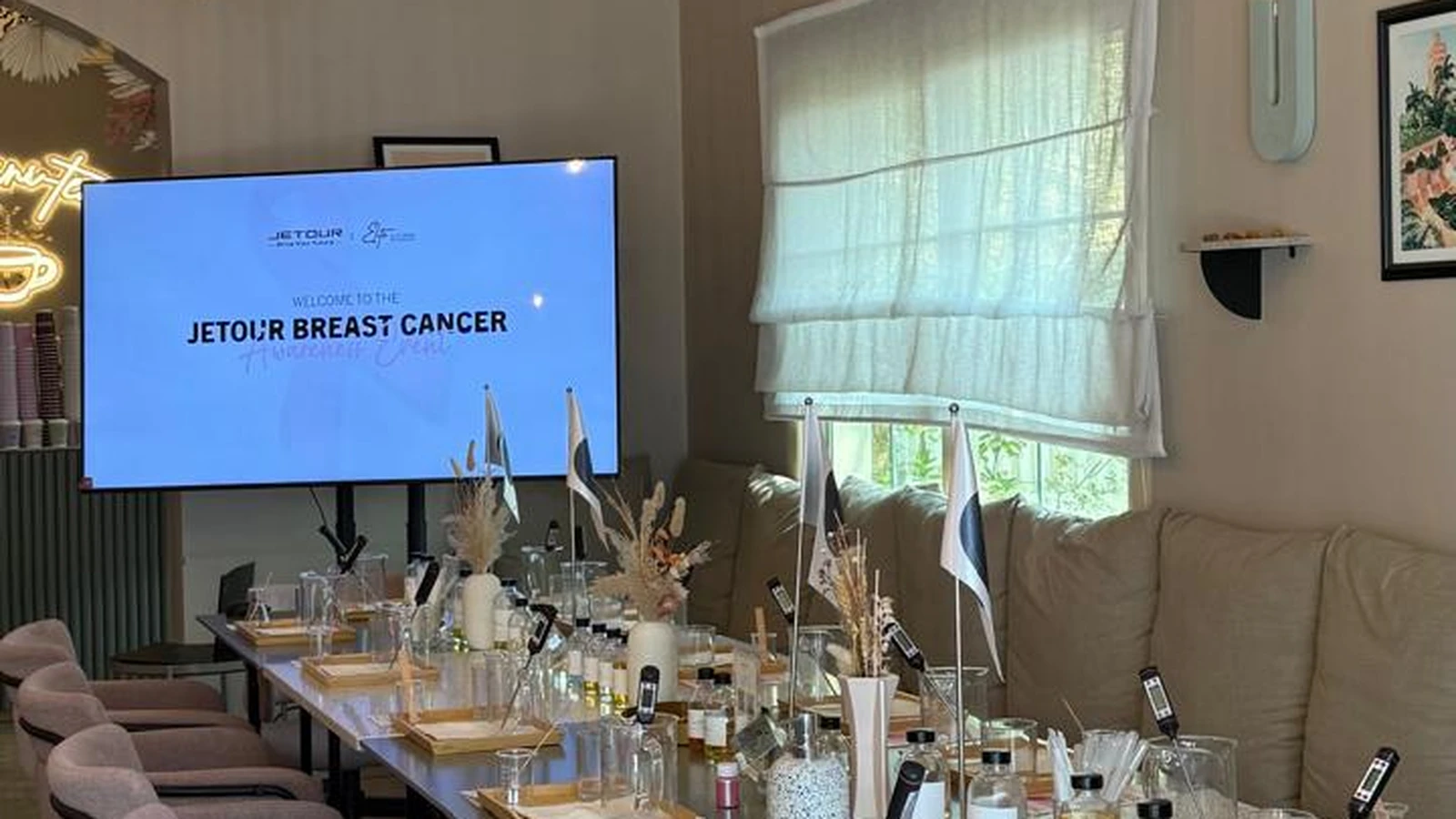
A candle-making session can be set up at almost any office, hotel, or venue with minimal logistical demands — tables, basic ventilation, and our team’s mobile equipment cover the vast majority of setups.
Time Investment for Planning
Traditional formats often require a dedicated external facilitator and considerable advance coordination, while a creative workshop booking process is comparatively straightforward, with materials and instruction handled entirely by the provider.
Long-Term Cultural Impact Beyond a Single Session
The choice of team building format can ripple outward into broader company culture over time, not just the single event itself.
Building a Reputation for Genuine Investment in Culture
Companies known internally for thoughtful, well-received team building tend to see this reputation factor into retention conversations and even recruitment, since candidates increasingly ask about culture during interviews.
Setting a Precedent for Future Events
Once a creative format proves successful, it often becomes the new internal benchmark, making future event planning easier since there’s now a proven, well-received template to build on.
Avoiding “Team Building Fatigue”
Repeatedly defaulting to the same traditional exercises can contribute to a broader sense of fatigue around team building generally. Introducing genuine variety, including creative formats like mindful workshops Dubai teams enjoy, helps keep the practice feeling valuable rather than obligatory.
Choosing the Right Format for Your Team
A few considerations help determine which approach — or combination — suits your specific team.
When Traditional Formats Still Make Sense
Certain traditional exercises remain valuable for very specific goals, such as physical safety training or highly structured leadership simulations with defined learning objectives.
When Creative Formats Have the Edge
For general team cohesion, cross-departmental bonding, and genuine employee satisfaction with the team building investment, creative formats like candle making consistently outperform traditional exercises in engagement, particularly when measured through post-event feedback and voluntary participation in future sessions.
Combining Both Approaches
Some organisations pair a shorter traditional strategic session with a creative activity afterward, capturing the benefits of both formats within a single event.
Practical Guidance for HR Teams Making the Switch
For HR and L&D leads considering a shift away from traditional formats, a few practical steps ease the transition.
Starting With a Pilot Group
Rather than committing an entire company-wide programme to a new format immediately, running a creative workshop with a single team or department first offers a lower-risk way to gauge genuine reception before scaling up.
Gathering Direct Feedback
Simple post-session feedback, comparing reactions to the new format against previous traditional exercises, gives HR teams concrete internal evidence to support a broader shift.
Communicating the Change Internally
Framing the shift as a genuine upgrade to the employee experience, rather than simply a different exercise, tends to generate more enthusiasm and buy-in from teams who may be sceptical of yet another “team building day.”
Book a Creative Team Building Session
See the difference for yourself with a genuinely hands-on alternative to traditional team building. Explore Corporate Team Building in Dubai or our Creative Team Building offering to plan your next session.
Key Takeaways
- Candle making requires genuine, sustained participation, unlike the passive or scripted nature of many traditional exercises.
- Creative formats offer equal accessibility regardless of personality type or seniority.
- A tangible, take-home outcome extends the impact of the activity beyond the session itself.
- Candle making works particularly well for executive teams, levelling hierarchy in a genuinely low-pressure setting.
- The format builds real communication, active listening, and comfort with creative risk-taking.
FAQs
Is candle making effective team building?
Yes, it requires genuine collaborative decision-making and communication, delivering the same core benefits traditional team building aims for, through an authentic rather than simulated task.
Is it suitable for executives?
Yes, its low-hierarchy, low-pressure format is particularly well suited to senior teams looking for a genuine change of pace from strategic decision-making.
What skills does it encourage?
Communication under ambiguity, active listening, and comfort with creative risk-taking all map directly onto valuable workplace skills.
How does candle making compare to a trust fall or physical icebreaker?
It offers equal accessibility regardless of physical confidence or personality type, unlike physical exercises that can disadvantage more introverted or less physically confident employees.
Does candle making produce measurable team building outcomes?
While outcomes vary by team, the shared experience and tangible takeaway tend to create longer-lasting memory and reference points than passive traditional exercises.
Is candle making a good replacement for all traditional team building?
Not necessarily for every purpose — certain structured exercises with specific learning objectives still have their place, though for general cohesion and engagement, creative formats tend to outperform.
Can candle making be combined with traditional team building elements?
Yes, some organisations pair a shorter strategic session with a creative activity afterward, capturing benefits from both approaches.
Why do employees remember creative team building longer than traditional formats?
Active participation creates deeper memory formation than passive or scripted activities, and a physical takeaway reinforces that memory further.
Is candle making suitable for large corporate groups, not just small teams?
Yes, the format scales from small teams to large-scale company events, with staffing adjusted to match group size.
What makes a creative workshop more inclusive than a traditional team building exercise?
Because no one has prior experience with the specific creative task, every participant starts on equal footing regardless of personality, seniority, or physical confidence.
Should companies pilot a creative format before rolling it out company-wide?
Yes, starting with a single team or department and gathering direct feedback gives HR a lower-risk way to gauge genuine reception before committing to a broader shift.
How can HR teams build internal buy-in for moving away from traditional formats?
Framing the change as a genuine upgrade to employee experience, backed by concrete feedback from a pilot session, tends to generate more enthusiasm than presenting it as simply a different exercise.
About Studio Kinza
Studio Kinza is Dubai and Abu Dhabi’s most reviewed candle-making experience — a fragrance house of hand-poured, 100% natural soy candles that began in a home kitchen and now hosts corporate workshops, private celebrations, and candle-making classes for groups of two to thirteen hundred. Every candle-making experience is made with clean, natural fragrance, backed by 350+ five-star Google reviews and trusted by some of the world’s most respected brands.
Diwali Candle Gifts Dubai
Diwali Candle Gifts in Dubai: Thoughtful Ideas for Hosts, Friends...
Read More
Alternative Birthday Party Ideas For Teens Who Want Something Different
Alternative Birthday Party Ideas for Teens Who Want Something Different...
Read More
Teen Birthday Celebration In Dubai Make Your Own Scented Candle
Teen Birthday Celebration in Dubai: Make Your Own Scented Candle...
Read More