
How to Plan a Diwali Candle-Making Get-Together at Home in...
Read MoreBest Employee Appreciation Ideas in Dubai Beyond Dinners and Gifts
Employee appreciation in Dubai has moved far beyond the annual dinner, generic hamper or one-size-fits-all gift. In a competitive employment market, appreciation is no longer a decorative HR initiative. It is part of how organisations communicate value, reinforce culture and show employees that their contribution is seen.
That distinction matters. A dinner may be enjoyable, and a gift may be useful, but neither automatically creates a sense of recognition. Employees are more likely to remember appreciation when it feels personal, relevant and connected to the work they have done. The strongest programmes combine thoughtful recognition with experiences, flexibility, development and choice.
Dubai’s workforce is also highly diverse. Teams may include different nationalities, age groups, religions, communication styles and personal preferences. An appreciation idea that feels generous to one employee may feel impersonal or uncomfortable to another. For that reason, the best employee appreciation ideas in Dubai are inclusive, adaptable and designed around real people rather than assumptions.
This guide explores practical ways to recognise employees beyond conventional dinners and gifts, including indoor team building activities for corporate teams in Dubai that strengthen workplace relationships through shared experiences. It covers creative experiences, professional development, wellbeing, family-inclusive events, social impact and everyday recognition. It also explains how to choose the right approach, avoid common mistakes and measure whether an appreciation programme is genuinely strengthening engagement.
The most effective employee appreciation ideas combine specific recognition with meaningful choice. Creative workshops, flexible time, professional development, wellbeing experiences, peer recognition and purpose-led activities often create a stronger emotional impact than generic gifts because employees feel personally valued rather than simply rewarded.
Why Traditional Appreciation Often Falls Short
Predictability reduces emotional impact
Many employees can anticipate the annual formula: a formal dinner, a short speech and the same gift for everyone. Predictable gestures are not necessarily bad, but they can become routine. When appreciation feels automatic, employees may enjoy the event without feeling personally recognised.
A generic gift does not acknowledge a specific contribution
Recognition becomes more meaningful when it answers a simple question: what exactly did this person do that mattered? A standard gift cannot communicate that on its own. A short, specific message from a manager can sometimes have more impact than an expensive item because it connects appreciation to effort, character or results.
Different employees value different things
Some employees value public recognition. Others prefer privacy. Some appreciate additional time off, while others want learning opportunities, a family experience or a creative break from work. A single reward for everyone may be administratively simple, but it rarely feels equally meaningful.
One large annual event cannot replace everyday appreciation
Appreciation is most credible when it is part of normal leadership behaviour. If employees feel ignored throughout the year, one polished event is unlikely to repair that gap. Large experiences work best when they support a culture of regular, specific and sincere recognition.
Regular recognition works best when it forms part of broader employee engagement strategies that encourage collaboration, communication and stronger workplace culture throughout the year.
What Meaningful Employee Appreciation Looks Like
Meaningful appreciation is timely, specific and proportionate. It does not need to be extravagant, but it should feel considered. The employee should understand why they are being recognised and how their contribution supported the team, client, project or organisation.
The most effective appreciation also gives employees some degree of choice. Choice signals respect. It allows people to select an experience or reward that suits their lifestyle, culture and personality, reducing the risk that a well-intended gesture feels irrelevant.
Finally, appreciation should create connection rather than obligation. Employees should not feel pressured to perform enthusiasm, attend an unsuitable event or participate in an activity that makes them uncomfortable. Good programmes offer accessible options and make participation feel welcoming.
15 Employee Appreciation Ideas in Dubai Beyond Dinners and Gifts
1. Creative candle-making workshops
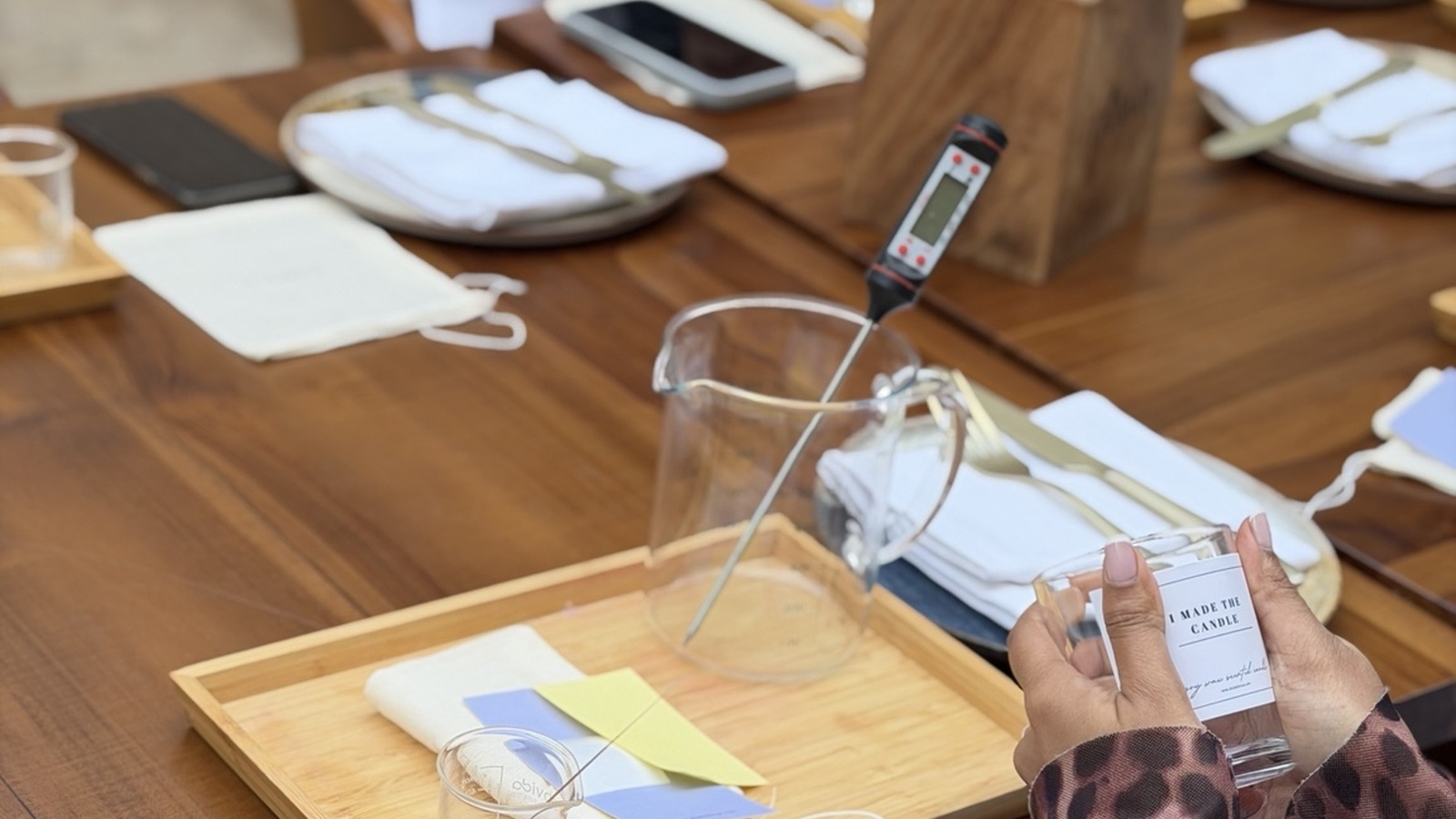
Creative candle-making workshops for corporate teams give employees the opportunity to slow down, make something with their hands and enjoy a shared experience outside normal work routines. In a candle-making workshop, participants can explore fragrances, blend a personalised scent, pour their own candle and take home a finished creation. The process is accessible to different personalities and experience levels, making it suitable for mixed corporate teams. It also gives employees a tangible reminder of the day.
2. Personalised professional development
Offer employees a choice of development opportunities instead of assigning the same training to everyone. Options might include a specialist course, conference, coaching session, certification or learning allowance. This type of appreciation recognises past contributions while also investing in the employee’s future.
3. Flexible time rewards
Additional leave, an early finish, a late start or a flexible workday can be deeply appreciated in a busy city. Time-based rewards are especially effective when employees have completed an intense project, supported an important launch or worked through a demanding period.
4. Curated wellbeing experiences
Wellbeing appreciation can include a wellness afternoon, mindfulness session, yoga class, massage treatment, guided breathwork or a healthy team experience. The goal should not be to use wellbeing as a substitute for manageable workloads, but to give employees genuine time and space to recover.
Organisations are increasingly combining appreciation initiatives with corporate wellness activities in Dubai to improve employee wellbeing, reduce workplace stress and strengthen long-term engagement.
5. Peer-nominated recognition
Create a simple monthly or quarterly system where employees nominate colleagues who helped them, demonstrated company values or improved a project. Peer recognition often captures contributions that managers do not see and helps appreciation feel more democratic.
6. Family-inclusive experiences
Invite employees to selected events with a partner, child or family member. Family-inclusive appreciation acknowledges the support systems behind employees and can create stronger emotional memories than a work-only event. Activities should be designed carefully so that employees without local family or children are equally included.
7. Personalised appreciation menus
Instead of giving everyone the same reward, offer a small menu of choices. An employee might select additional leave, a learning credit, a creative experience, a dining voucher or a contribution to a cause. A structured menu provides flexibility without making the programme difficult to manage.
8. Purpose-led volunteering days
Give employees paid time to support a credible community or environmental initiative. Purpose-led appreciation can be especially meaningful when teams choose the cause together. It allows employees to share a positive experience while contributing beyond the workplace.
9. Leadership thank-you sessions
A short, sincere conversation with a senior leader can feel more valuable than a generic message sent to the entire company. The leader should explain what the employee contributed, why it mattered and how it was noticed. The focus should remain on genuine recognition rather than ceremony.
10. Milestone storytelling
Celebrate work anniversaries, project completions and promotions by sharing a short story about the employee’s journey, growth or impact. Avoid reducing milestones to a number of years. A personalised story shows that the organisation remembers the person, not just the date.
11. Team-designed appreciation days
Give teams a budget and let them co-design their own appreciation experience within clear guidelines. This increases relevance and gives employees a sense of ownership. One team may choose a creative workshop, while another prefers a relaxed breakfast, cultural experience or outdoor activity.
12. Experience-based recognition boxes
Instead of a standard hamper, create a box connected to an activity. It could include materials for a guided virtual workshop, a personalised note, a fragrance kit or a small creative project. This is useful for hybrid teams because it turns a delivery into an interactive experience.
13. Surprise micro-recognition
Small moments of recognition can be powerful when they are unexpected and specific. A handwritten note, favourite coffee, team message or spontaneous hour off can show appreciation without waiting for a formal programme. The key is sincerity and relevance.
14. Cross-functional learning opportunities
Recognise employees by inviting them to join a strategic project, attend a leadership meeting, present their work or mentor another team. This signals trust and creates visibility. It is particularly effective for employees who value growth, responsibility and professional influence.
15. Social-impact appreciation through Studio Kinza
Purpose can make a creative experience more meaningful. Studio Kinza’s mission is to help light one million homes. When participants create and later light a Studio Kinza candle in their own home, they are also helping bring light to another home in a part of the world where access to electricity remains limited. Through Studio Kinza’s support for SolarAid, every candle and workshop becomes part of a wider story of light, connection and impact.
Why Experiential Appreciation Can Be More Memorable
Experiences engage employees actively. Instead of receiving something passively, participants make decisions, interact with colleagues and contribute to the outcome. That involvement can make the appreciation feel more personal.
Shared activities also create natural conversation. Employees who rarely work together may connect without the pressure of formal networking. This is particularly useful in large organisations, newly formed teams and multicultural workplaces where employees may need an easy, inclusive way to interact.
A tangible takeaway can extend the memory of the event. A candle, artwork or handcrafted item becomes a reminder of the experience and the recognition attached to it. The value is not simply in the object; it is in the story behind it.
How to Choose the Right Appreciation Idea for Your Team
Start with the purpose
Decide what you want the appreciation to communicate. Are you recognising a demanding project, celebrating loyalty, supporting wellbeing, strengthening connection or rewarding exceptional performance? The purpose should guide the format.
Understand employee preferences
Use a short confidential survey or informal discussion. Ask whether employees prefer public or private recognition, individual or group activities, development or leisure, and whether family participation matters.
Consider accessibility and inclusion
Check physical access, sensory requirements, dietary needs, religious considerations, timing and transport. Employees should not have to disclose personal details publicly in order to participate safely.
Match the format to the group size
A small leadership team may value an intimate facilitated experience, while a large workforce may need rotating stations, repeated sessions or a live activation. The experience should feel well organised at the actual scale required.
Protect the quality of the experience
Appreciation can lose credibility when the event feels rushed, under-resourced or overly promotional. Work with facilitators who can manage the group professionally, provide clear instructions and maintain a welcoming atmosphere.
Connect the experience to recognition
Do not let logistics replace the message. Employees should hear why the activity is happening and what is being appreciated. A thoughtful introduction and closing message can transform an enjoyable event into meaningful recognition.
Making Appreciation Inclusive in Dubai’s Multicultural Workplaces
Dubai teams bring together people with different cultural expectations around praise, hierarchy and celebration. Some employees enjoy being recognised on stage; others may find public attention uncomfortable. Some prefer individual rewards, while others value collective recognition.
Organisations should avoid assuming that one format is universally appropriate. Offer alternatives where possible, communicate clearly and avoid making participation compulsory. Be thoughtful about food, alcohol, music, dress expectations, religious observances and family structures.
Inclusion also means recognising different kinds of contribution. Highly visible sales results should not be the only achievements celebrated. Operational reliability, mentorship, problem prevention, client care, emotional support and consistent teamwork all contribute to organisational success.
Common Employee Appreciation Mistakes to Avoid
- Using appreciation to compensate for excessive workloads or poor management.
- Recognising only the most visible employees.
- Giving identical rewards without considering individual preferences.
- Making public recognition compulsory.
- Waiting until the end of the year to say thank you.
- Turning the appreciation event into a long corporate presentation.
- Choosing an activity that excludes employees because of mobility, culture, religion or schedule.
- Failing to explain what employees are being appreciated for.
How to Measure Whether Appreciation Is Working
Appreciation should be evaluated through both feedback and behaviour. A short post-event survey can ask whether employees felt valued, whether the experience was inclusive and whether they would recommend a similar activity.
Longer-term indicators may include retention, engagement survey responses, internal mobility, participation in future initiatives, absenteeism and manager feedback. These measures should be interpreted carefully because appreciation is only one part of the employee experience.
Qualitative comments are especially useful. Employees may explain that a personalised message mattered more than the event itself, or that having a choice made the programme feel respectful. These insights can help improve future initiatives.
Why Creative Workshops Work Well for Employee Appreciation
Creative workshops offer a balance between structure and freedom. Employees receive enough guidance to feel comfortable, while still making personal choices. This makes the experience engaging without becoming competitive or intimidating.
They also work well for mixed teams because success does not depend on seniority, physical fitness or specialist knowledge. A senior executive and a new employee can participate side by side, creating a more relaxed and human form of interaction.
For organisations in Dubai, mobile workshops can also be delivered at offices, hotels, event venues and corporate spaces. This flexibility makes it easier to integrate an appreciation experience into a wider employee event or celebration.
Research continues to show that creative workshops improve employee productivity and retention by encouraging collaboration, reducing stress and strengthening communication across teams.
Frequently Asked Questions
What are the best employee appreciation ideas in Dubai?
The best ideas are those that feel specific, inclusive and relevant to the team. Popular options include creative workshops, additional time off, professional development, wellbeing experiences, peer recognition, family-inclusive events and purpose-led activities.
How much should a company spend on employee appreciation?
There is no single correct amount. The budget should be proportionate to the organisation, the achievement and the size of the group. A sincere, personalised gesture can be more meaningful than an expensive but generic reward.
Are dinners and gifts still useful?
Yes. Dinners and gifts can still be appreciated, especially when they are thoughtful and connected to specific recognition. The problem arises when they are used automatically without personalisation or a clear message.
How often should employees be recognised?
Recognition should happen throughout the year when meaningful contributions occur. Larger appreciation events can be scheduled quarterly, biannually or around major milestones, but everyday recognition should remain continuous.
What appreciation activities work for large corporate teams?
Large teams can participate in repeated workshop sessions, rotating creative stations, live activations, recognition zones or department-based experiences. Strong event planning and adequate facilitation are essential.
How can appreciation include remote employees?
Remote employees can receive equivalent choices such as local experiences, mailed activity kits, learning allowances, time-based rewards or live virtual workshops. Avoid treating remote participants as an afterthought.
Are creative workshops suitable for introverts?
Yes, provided the format does not force public performance. Hands-on activities allow conversation to develop naturally while employees focus on making something, which can feel more comfortable than formal networking.
Can employee appreciation support corporate social responsibility?
Yes. Volunteering, charitable contributions and purpose-led experiences can connect appreciation with social impact. The initiative should be transparent and linked to a credible cause.
Why choose a candle-making workshop for employee appreciation?
Candle making is accessible, sensory and creative. Participants can personalise a fragrance, make a finished product and take home a lasting reminder of the experience. It can also be adapted for different group sizes and venues.
How can we book a Studio Kinza corporate workshop?
Organisations can contact Studio Kinza with the preferred date, venue, estimated number of participants and event objective. The workshop format can then be tailored to the group size, schedule and brand requirements.
Build a Culture Where Employees Genuinely Feel Valued
Employee appreciation should not be reduced to an annual event or a standard gift. At its best, it is a clear and consistent message: your work matters, your contribution has been noticed and you are valued as an individual.
Dubai organisations have an opportunity to create appreciation programmes that reflect the diversity and ambition of their teams. By combining specific recognition with choice, meaningful experiences, development and purpose, employers can create moments employees remember for the right reasons.
Studio Kinza designs creative corporate workshops and live experiences for teams across the UAE. From intimate appreciation sessions to large-scale activations, each experience can be adapted to the group, venue and occasion.
Our mission is to light one million homes. When you light a Studio Kinza candle in your own home, you are also helping bring light to another home where electricity is still a luxury. Through our support for SolarAid, every candle and every workshop contributes to a wider impact – turning one moment of appreciation into a shared story of light.
Planning an employee appreciation experience in Dubai?
Contact Studio Kinza to discuss your team size, venue, preferred format and event objectives.

Diwali Candle Gifts Dubai
Diwali Candle Gifts in Dubai: Thoughtful Ideas for Hosts, Friends...
Read More
Alternative Birthday Party Ideas For Teens Who Want Something Different
Alternative Birthday Party Ideas for Teens Who Want Something Different...
Read More
Teen Birthday Celebration In Dubai Make Your Own Scented Candle
Teen Birthday Celebration in Dubai: Make Your Own Scented Candle...
Read More