How to Plan a Diwali Candle-Making Get-Together at Home in...
Read MoreCorporate Workshops Dubai: Creative Sessions for Cross-Functional Teams
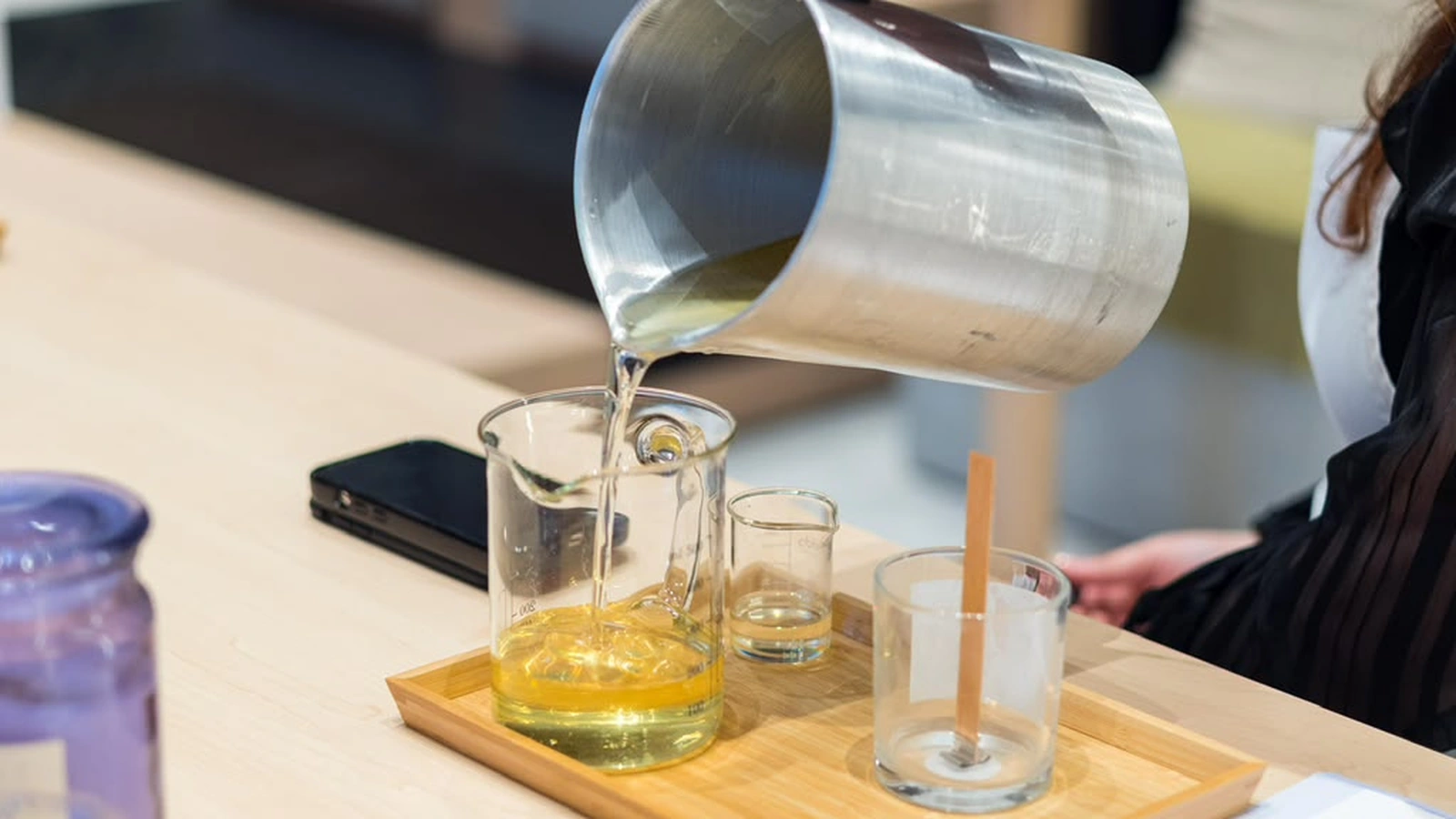
Bringing together employees from different departments who rarely interact day-to-day creates a specific planning challenge most standard team building formats don’t address well. Corporate workshops Dubai companies choose specifically for cross-functional groups need something that works regardless of existing familiarity, technical background, or department-specific culture — and creative, hands-on formats consistently deliver on exactly that.
Why Use Creative Workshops for Cross-Functional Teams
The specific dynamics of mixed-department groups make creative formats particularly well suited compared to more traditional alternatives.
No Existing Group Dynamic Required
Unlike activities that rely on established rapport to work well, a guided creative task provides its own structure and focus, meaning cross-functional groups don’t need pre-existing familiarity to participate successfully.
A Genuinely Level Playing Field
Employees from technical, creative, and operational backgrounds all arrive with the same lack of prior experience in candle making specifically, removing any department-based hierarchy or expertise imbalance that might otherwise shape the interaction.
Natural Conversation Starters Across Department Lines
Comparing fragrance choices or discussing design decisions gives colleagues from different departments something concrete and low-stakes to talk about, easing the usual awkwardness of mixed-department small talk.
How Do Mixed Departments Participate?
A few practical structuring choices help maximise genuine cross-departmental interaction during the session itself.
Deliberately Mixed Table Assignments
Rather than letting employees default to sitting with their usual department, assigning tables that deliberately mix people from different functions maximises the actual cross-functional interaction the event is meant to encourage.
Shared Discussion Prompts
Simple prompts during the session — asking tables to discuss why they chose specific fragrance combinations, for instance — can deepen interaction beyond the default level the activity alone might produce.
Rotating Groups for Multi-Session Events
For longer programmes involving multiple sessions, rotating table groupings between sessions extends the cross-functional exposure across a broader set of colleagues over time.
What Activities Suit Different Personalities?
Cross-functional groups inherently include a wide range of working styles and personalities, and understanding this helps activity selection.
For More Analytical, Technical Personalities
The structured, technique-driven aspects of fragrance blending — understanding note pyramids, precise pouring temperatures — tend to appeal to more analytically minded participants.
For More Creative, Expressive Personalities
The open-ended design choices — colour, vessel style, personal labelling — give more creatively inclined participants genuine room for self-expression within the guided structure.
For More Reserved Participants
Because the format doesn’t require public performance or forced socialising, more introverted participants can engage fully without the discomfort some cross-functional team building formats create.
Why Cross-Functional Collaboration Matters
Beyond the immediate team building event, genuine cross-departmental familiarity carries real organisational value.
Reducing Silos in Day-to-Day Work
Employees who’ve built even informal familiarity with colleagues in other departments tend to navigate cross-functional projects with less friction, since some baseline trust already exists.
Improving Communication Across Technical and Non-Technical Teams
For organisations where technical and non-technical departments often struggle to communicate effectively, informal relationship-building outside a work context can meaningfully ease that gap.
Building a More Cohesive Organisational Culture
Regular opportunities for cross-functional interaction, even informal ones, contribute to a broader sense of organisational cohesion beyond individual department silos.
The Hidden Cost of Persistent Department Silos
Understanding what’s genuinely at stake helps explain why organisations invest specifically in cross-functional team building rather than assuming standard team days suffice.
Slower Cross-Departmental Project Delivery
Projects requiring input from multiple departments often move more slowly when the people involved have little pre-existing rapport, since basic trust and communication norms need to be established from scratch each time.
Miscommunication Between Technical and Business Functions
A lack of informal familiarity between technical and non-technical departments can compound miscommunication on projects, since neither side has the baseline understanding of how the other communicates and prioritises.
Reduced Innovation From Limited Cross-Pollination
Genuine innovation often emerges from unexpected connections between different areas of expertise, which are considerably less likely to happen when departments operate in near-total isolation from each other.
Building a Genuinely Effective Cross-Functional Programme
For organisations serious about improving cross-departmental collaboration, a single workshop is a starting point rather than a complete solution.
Treating It as an Ongoing Initiative
Rather than a one-off event, the most effective organisations build cross-functional creative sessions into a recurring calendar, gradually building familiarity across the whole organisation over time.
Pairing With Other Cross-Functional Initiatives
Creative workshops work well alongside other cross-departmental efforts — shared projects, cross-functional mentoring programmes — reinforcing the same underlying goal through multiple channels.
Involving Leadership Visibly
When senior leaders visibly participate in cross-functional sessions themselves, it signals genuine organisational priority rather than treating the initiative as a lower-level HR exercise.
Common Challenges When Running Cross-Functional Sessions
A few recurring difficulties are worth anticipating when planning this specific type of event.
Resistance From Employees Who Prefer Their Existing Team
Some employees may initially resist being separated from their usual immediate team, and framing the session’s purpose clearly in advance helps ease this resistance.
Uneven Enthusiasm Across Departments
Different departments sometimes bring noticeably different levels of enthusiasm to a shared creative activity, and acknowledging this variation without forcing uniform engagement tends to produce a more genuine, comfortable atmosphere.
Balancing Structure With Organic Interaction
Too much imposed structure (forced discussion prompts, assigned conversation topics) can feel artificial, while too little leaves some groups unsure how to engage — finding the right balance takes some calibration based on your specific organisational culture.
Planning a Cross-Functional Workshop
A few practical steps help ensure a session genuinely serves its cross-functional goals rather than simply gathering people in one room.
Identifying Departments With Limited Existing Interaction
Reviewing which departments genuinely have limited day-to-day contact helps prioritise invitations toward groups who’ll benefit most from the forced interaction.
Setting Clear Intentions With Participants
Briefly explaining the cross-functional goal of the session, rather than presenting it as a generic team day, helps participants engage with the specific intention behind the format.
Following Up on Connections Made
Encouraging participants to follow up with new cross-departmental contacts afterward — even something as simple as connecting on an internal messaging platform — helps extend the value of the initial interaction.
Book Your Cross-Functional Workshop
Bring departments together in a genuinely collaborative, low-pressure setting. Explore Creative Team Building or our Corporate Team Building page to plan your session.
Key Takeaways
- Creative workshops provide their own structure, meaning cross-functional groups don’t need existing familiarity to succeed.
- A genuinely level playing field emerges since no department has prior expertise in the specific creative task.
- Deliberately mixed table assignments and shared discussion prompts maximise genuine cross-departmental interaction.
- The format accommodates a wide range of personalities, from analytical to creative to more reserved participants.
- Genuine cross-functional familiarity built during the session tends to reduce silos and friction in day-to-day collaborative work.
FAQs
1. Why use creative workshops for cross-functional teams specifically?
They provide their own structure and focus, meaning mixed-department groups don’t need existing familiarity to participate successfully, unlike some other team building formats.
2. How do mixed departments participate effectively?
Deliberately mixed table assignments, shared discussion prompts, and rotating groups across multiple sessions all help maximise genuine cross-departmental interaction.
3. What activities suit different personalities within a cross-functional group?
The structured, technical elements suit analytical personalities, while open-ended design choices suit more creative participants, and the low-pressure format suits more reserved employees too.
4. Does cross-functional team building genuinely reduce workplace silos?
Many organisations find that informal familiarity built during shared activities does ease friction in later cross-functional project work.
5. How should companies choose which departments to include in a cross-functional session?
Reviewing which departments have genuinely limited day-to-day interaction helps prioritise groups who’ll benefit most from the forced interaction.
6. Should the cross-functional goal be explained to participants beforehand?
Yes, briefly explaining the intention behind the format helps participants engage more purposefully than if it’s presented as a generic team day.
7. Can cross-functional workshops be run as a recurring series?
Yes, rotating groups across multiple sessions over time extends cross-functional exposure to a broader set of colleagues.
8. What size groups work best for cross-functional workshops?
Group sizes can vary considerably, from smaller sessions bringing together a handful of departments to larger company-wide cross-functional events.
9. How can companies encourage connections made during the session to continue afterward?
Simple follow-up prompts, like encouraging participants to connect on an internal messaging platform, help extend the value of the initial interaction.
10. Is candle making better than a standard mixer or networking event for cross-functional bonding?
Many find it more effective, since the shared task gives colleagues a natural, low-stakes conversation starter that a standard networking event’s open-ended socialising doesn’t always provide.
11. How can organisations handle employees who resist being separated from their usual team?
Clearly framing the purpose of the cross-functional format in advance, rather than presenting it without context, tends to ease initial resistance and improve genuine engagement.
12. Should cross-functional workshops be a one-off event or an ongoing programme?
The most effective organisations treat it as a recurring initiative rather than a single event, gradually building familiarity across the organisation over multiple sessions.
About Studio Kinza
Studio Kinza is Dubai and Abu Dhabi’s most reviewed candle-making experience — a fragrance house of hand-poured, 100% natural soy candles that began in a home kitchen and now hosts corporate workshops, private celebrations, and candle-making classes for groups of two to thirteen hundred. Every candle-making experience is made with clean, natural fragrance, backed by 350+ five-star Google reviews and trusted by some of the world’s most respected brands.
Diwali Candle Gifts Dubai
Diwali Candle Gifts in Dubai: Thoughtful Ideas for Hosts, Friends...
Read More
Alternative Birthday Party Ideas For Teens Who Want Something Different
Alternative Birthday Party Ideas for Teens Who Want Something Different...
Read More
Teen Birthday Celebration In Dubai Make Your Own Scented Candle
Teen Birthday Celebration in Dubai: Make Your Own Scented Candle...
Read More