
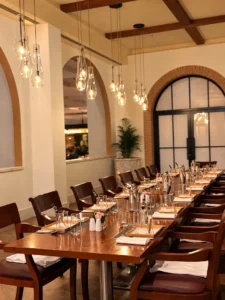
How to Plan a Diwali Candle-Making Get-Together at Home in...
Read MoreWhy Creative Hobbies Improve Mental Health and Wellbeing
Somewhere between childhood, when making things with your hands was simply called “play,” and adulthood, when most of us stopped doing it regularly, creative hobbies quietly dropped out of daily life for a lot of people. That gap matters more than it might seem. A growing body of research into creative hobbies and mental health benefits points to something fairly simple: making things with your hands does genuine, measurable good for how we feel and it’s one of the more accessible forms of self-care available to nearly anyone.
Having watched hundreds of people walk into our studio carrying visible tension from a stressful week and leave a couple of hours later noticeably lighter, we’ve seen this dynamic play out in a very direct, unscientific but consistent way. This guide covers the science behind why creativity supports mental health, its specific role in stress relief and mindfulness and why candle making in particular has become a popular therapeutic outlet.
A Note on Mental Wellbeing
Creative hobbies can be a useful part of a balanced wellbeing routine, but they should not be considered a treatment for mental health conditions. Experiences vary from person to person, and anyone experiencing persistent or significant anxiety, depression, stress or other mental-health concerns should consider speaking with an appropriately qualified healthcare professional.
Can Creative Hobbies Support Mental Wellbeing?
Yes. Creative hobbies can provide opportunities for focused attention, self-expression, social connection and a break from everyday routines. Activities such as candle making, painting, drawing, pottery and crafts can be enjoyable ways to incorporate relaxation and creativity into a wellbeing routine, although they should complement rather than replace professional mental-health support when needed.
Creative Hobbies for Mental Wellbeing at a Glance
- Candle making: sensory, hands-on and beginner-friendly
- Painting: supports self-expression and focused attention
- Drawing: simple activity that can be done almost anywhere
- Pottery: tactile and process-oriented
- Writing/journaling: provides an outlet for thoughts and reflection
- Crafting: encourages hands-on engagement
- Group workshops: combine creativity with social connection
- Solo hobbies: provide dedicated personal downtime
Creative Hobbies to Try for Mental Wellbeing
Hobby | What It Involves | Suitable For |
Candle making | Wax, fragrance and vessel design | Beginners |
Painting | Colour and visual expression | Creative exploration |
Drawing | Sketching and illustration | Solo practice |
Pottery | Clay and tactile creation | Hands-on learners |
Journaling | Writing and reflection | Personal downtime |
Photography | Observation and composition | Outdoor/visual creativity |
Gardening | Plants and hands-on activity | Nature lovers |
Crafting | Materials and practical creation | DIY enthusiasts |
How to Choose the Right Creative Hobby
1. Your Available Time
Choose something that fits naturally into your schedule.
2. Your Preferred Sensory Experience
Some people prefer tactile activities, while others enjoy visual, written or musical creativity.
3. Solo or Social
Decide whether you want personal downtime or an activity that allows you to connect with others.
4. Skill Level
Beginners should choose activities with a manageable learning curve.
5. Enjoyment
The most useful hobby is usually the one you genuinely enjoy enough to continue.
This is stronger than simply telling users to schedule candle-making sessions.
Science Behind Creativity
Creative activity engages the brain differently than most of our daily routines and that difference is where much of its psychological benefit comes from.
Shifting Out of Analytical Mode
Much of modern work and daily life keeps us in an analytical, task-focused mental mode – emails, decisions, planning. Creative activity draws on a different kind of cognitive engagement, more spatial and sensory, giving the analytical mind a genuine rest.
Flow States and Focused Attention
Structured creative tasks, ones with a clear process and satisfying outcome, tend to induce a state of focused calm often referred to as “flow,” where attention narrows onto the present task and background anxiety recedes into the periphery.
The Role of Completion and Accomplishment
Finishing a creative task, even something as simple as pouring a candle, triggers a small but genuine sense of accomplishment, which contributes to a positive mood in a way that passive activities like scrolling or watching television typically don’t.
Stress Relief
Creative hobbies offer a particularly effective, accessible form of stress relief, distinct from more structured wellness practices.
A Break From Cognitive Load
Constant decision-making and problem-solving throughout a typical day accumulate as cognitive load and creative activities that don’t require the same kind of analytical thinking give the mind a genuine chance to decompress.
Physical and Sensory Engagement
Stress relief activities involving texture, scent and hands-on physical engagement – like working with warm wax and fragrance oils – tend to have a more immediate calming effect than purely mental relaxation techniques, since they ground attention in physical sensation.
A Low-Pressure Alternative to Structured Wellness
Unlike some wellness practices that can themselves feel like another item on a to-do list, creative hobbies tend to feel genuinely enjoyable rather than obligatory, which supports more consistent, sustainable engagement over time.
Mindfulness Benefits
Creative activity shares a lot in common with formal mindfulness practice, offering many of the same benefits through a more approachable, less intimidating format.
Present-Moment Focus Without the Learning Curve
Traditional mindfulness meditation can feel inaccessible to beginners, requiring practice to sustain focus. Creative hobbies naturally draw attention into the present moment through the task itself, offering many of the same present-focus benefits without needing prior meditation experience.
Reducing Rumination
Engaging fully with a hands-on task leaves less mental space for the repetitive, anxious thought patterns often described as rumination, offering a practical, accessible break from overthinking.
Building a Consistent Mindfulness Habit
Because creative hobbies are inherently enjoyable for many people, they’re often easier to sustain as a regular practice than more effortful mindfulness techniques, making them a genuinely practical entry point into broader mindfulness habits.
Candle Making Therapy
Candle making specifically has emerged as a particularly effective creative outlet, combining several therapeutic elements into a single, accessible activity.
Multi-Sensory Engagement
Candle making involves scent, warmth and tactile engagement with wax simultaneously, offering a genuinely multi-sensory experience that’s difficult to replicate with more purely visual or mental creative activities.
A Guided, Low-Skill-Barrier Process
Unlike some creative pursuits that require developed technical skill to feel rewarding, candle making offers a satisfying, high-quality result even for complete beginners, removing the frustration barrier that can undermine other creative hobbies.
A Tangible, Lasting Outcome
The finished candle serves as an ongoing reminder of the experience and using it afterward – lighting it during a future relaxing evening – extends the psychological benefit well beyond the activity itself, in a way that more ephemeral creative pursuits, like a painting tucked away in a drawer, sometimes don’t achieve to the same degree.
Social and Solo Applications
Candle making works equally well as a solo, meditative activity or a shared social experience, offering flexibility depending on what someone needs from the activity at a given time – connection, or quiet, individual reflection.
Creative Hobbies in Different Areas of Life
The mental health benefits of creative activity extend across several different contexts, each offering its own particular value.
Personal Wellbeing and Self-Care
For individuals, a regular creative practice offers a genuine act of self-care – dedicated time set aside purely for personal enjoyment and mental rest, distinct from time spent on obligations or productivity.
Family and Relationship Bonding
Shared creative activities between family members or partners offer both individual wellbeing benefits and a genuine bonding opportunity, combining stress relief with quality connection time.
Workplace Wellness Programs
Increasingly, companies are recognising creative activities as a legitimate part of workplace wellness strategy, offering structured creative sessions as a way to support employee mental health alongside more traditional wellness initiatives.
Life Transitions and Difficult Periods
Creative hobbies can be particularly valuable during periods of stress or significant life change, offering a grounding, accessible outlet at times when more demanding activities might feel overwhelming.
Building Creativity Into a Regular Routine
Getting the most benefit from creative hobbies, much like any wellness practice, comes down to consistency rather than occasional, isolated sessions.
Starting Small and Sustainable
Rather than committing to an ambitious, elaborate creative project, starting with a simple, achievable activity – a single candle-making session, for instance – builds confidence and makes a regular habit more likely to stick, compared to an intimidatingly large first project that risks discouraging further attempts entirely.
Scheduling Creative Time Intentionally
Much like exercise or any other wellness habit, creative time tends to happen more consistently when it’s deliberately scheduled rather than left to spontaneous moments that may never arrive amid a busy routine. Some people find it helpful to treat a recurring creative session – a monthly workshop booking, for instance – as a fixed appointment with themselves, rather than something to fit in only if time happens to allow.
Choosing Activities That Feel Genuinely Enjoyable
The mental health benefits of a creative hobby depend heavily on genuine enjoyment rather than obligation, so choosing an activity you’re actually drawn to – rather than one that simply sounds impressive – matters more than the specific medium chosen. A candle-making session that feels like a genuine treat will offer far more benefit than a more “impressive” creative pursuit approached out of obligation or a sense that it should be enjoyable rather than actually being so.
Experience the Benefits of Creative Wellness
A guided candle-making session offers a genuinely relaxing, multi-sensory break from daily stress, no artistic skill required. Explore Creative Workshops to experience it for yourself, whether you’re looking for a solo self-care afternoon, a shared session with friends, or a structured wellness activity for your team.
Key Takeaways
- Creative activity engages the brain differently than analytical daily tasks, offering genuine mental rest.
- Structured creative hobbies can induce a calming “flow” state similar to the benefits of mindfulness practice.
- Multi-sensory activities like candle making tend to have a more immediate calming effect than purely mental relaxation techniques.
- Candle making combines accessibility, sensory engagement and a lasting outcome, making it a particularly effective therapeutic creative outlet.
- Consistency matters more than intensity when building creative hobbies into a genuine wellness routine.
FAQs
- How do creative hobbies improve mental health?
Creative activities engage the brain differently than analytical daily tasks, offering genuine mental rest, reduced rumination and a sense of accomplishment that supports overall emotional wellbeing.
- Is candle making considered a therapeutic activity?
Yes, its multi-sensory nature, low skill barrier and tangible finished outcome make it a particularly accessible and effective creative outlet for stress relief and relaxation.
- Do I need artistic skill to benefit from creative hobbies?
No, activities like guided candle making are designed to feel rewarding for complete beginners, removing the frustration barrier that can undermine less accessible creative pursuits.
- What’s the connection between creative hobbies and mindfulness?
Creative activities naturally draw attention into the present moment through the task itself, offering many of the same present-focus benefits as formal mindfulness practice without requiring prior experience.
- How often should I engage in a creative hobby for mental health benefits?
Consistency matters more than frequency – even a regular, modest commitment tends to offer more benefit than occasional, infrequent sessions.
- Can creative hobbies help with anxiety specifically?
Many people find that focused, hands-on creative activities reduce rumination and provide a genuine mental break from anxious thought patterns, though they should complement rather than replace professional support where anxiety is a significant concern.
- Is candle making a good group or solo activity for mental health?
Both – it works equally well as a solo, meditative activity or a shared social experience, offering flexibility depending on individual needs.
- What makes candle making different from other creative hobbies for stress relief?
Its combination of scent, warmth and tactile engagement offers a genuinely multi-sensory experience, along with a low skill barrier and a lasting, usable finished product.
- How is engaging in a creative hobby different from passive relaxation like watching TV?
Active creative engagement provides a sense of accomplishment and genuine mental rest through a different cognitive mode, while passive activities tend not to offer the same restorative or mindfulness-related benefits.
- Can creative hobbies replace therapy or professional mental health support?
No, while creative hobbies offer genuine wellbeing benefits, they work best as a complement to, not a replacement for, professional support when it’s needed.
- Are creative hobbies being used in workplace wellness programs?
Yes, increasingly companies offer structured creative sessions, like guided candle-making workshops, as part of broader employee wellness strategies.
- Is candle making a good creative outlet during a stressful or difficult period of life?
Many people find accessible, grounding creative activities particularly valuable during periods of stress or transition, offering a low-effort, genuinely enjoyable outlet at times when more demanding activities might feel overwhelming.
13. What are the best creative hobbies for beginners?
Beginner-friendly options include candle making, drawing, painting, simple crafts, journaling and photography. The best choice depends on your interests, available time and whether you prefer solo or social activities.
14. Can creative hobbies help with everyday stress?
Creative hobbies can provide a break from routine tasks and encourage focused attention. Many people find hands-on creative activities relaxing, although they should not be considered a treatment for ongoing or severe stress.
15. What is the difference between a creative hobby and art therapy?
A creative hobby is an activity pursued for enjoyment, expression or personal wellbeing. Art therapy is a professional therapeutic approach delivered by a qualified practitioner and should not be confused with recreational creative activities.
About Studio Kinza
Studio Kinza is Dubai and Abu Dhabi’s most reviewed candle-making experience – a fragrance house of hand-poured, 100% natural soy candles that began in a home kitchen and now hosts corporate workshops, private celebrations and candle-making classes for groups of two to thirteen hundred. Every candle-making experience is made with clean, natural fragrance, backed by 350+ five-star Google reviews and trusted by some of the UAE’s most respected brands.
Diwali Candle Gifts Dubai
Diwali Candle Gifts in Dubai: Thoughtful Ideas for Hosts, Friends...
Read More
Alternative Birthday Party Ideas For Teens Who Want Something Different
Alternative Birthday Party Ideas for Teens Who Want Something Different...
Read More
Teen Birthday Celebration In Dubai Make Your Own Scented Candle
Teen Birthday Celebration in Dubai: Make Your Own Scented Candle...
Read More