

How to Plan a Diwali Candle-Making Get-Together at Home in...
Read MoreHow to Choose the Perfect Candle Fragrance for Every Room
Walk into a home where the fragrance has been chosen thoughtfully, room by room and you notice it immediately, even if you can’t quite explain why. The living room smells different from the bedroom, the bathroom has its own distinct note and none of it feels overwhelming or mismatched. Getting there isn’t complicated, but it does take a bit more intention than simply buying whatever candle smells good in the shop. Finding the best candle fragrance for each space in your home is really about understanding how scent, room function and personal taste all intersect.
Having formulated and tested fragrance blends across hundreds of scent combinations in our own studio, we’ve developed a fairly detailed sense of which notes work well in which settings and why some fragrances that smell wonderful on their own can feel oddly out of place in the wrong room. This guide walks through why fragrance choice matters, a room-by-room breakdown, how scent should shift with the seasons and how to layer multiple fragrances without them clashing.
The best candle fragrance depends on the room’s purpose. Choose warm amber, woody or subtle floral scents for living rooms; lavender, chamomile or sandalwood for bedrooms; citrus, mint or herbal notes for kitchens; eucalyptus, aquatic or light floral fragrances for bathrooms; and fresh, green or peppermint scents for home offices. For open-plan spaces, use complementary fragrances rather than several competing strong scents.
Choosing the right candle fragrance for each room involves matching scent profile to the room’s function, size and atmosphere. This guide explains which fragrances work best in living rooms, bedrooms, kitchens, bathrooms, home offices, entryways and majlis spaces, along with seasonal scent recommendations and practical tips for layering fragrances without creating clashes. It also covers common fragrance-selection mistakes, candle placement and how to build a versatile home fragrance collection.
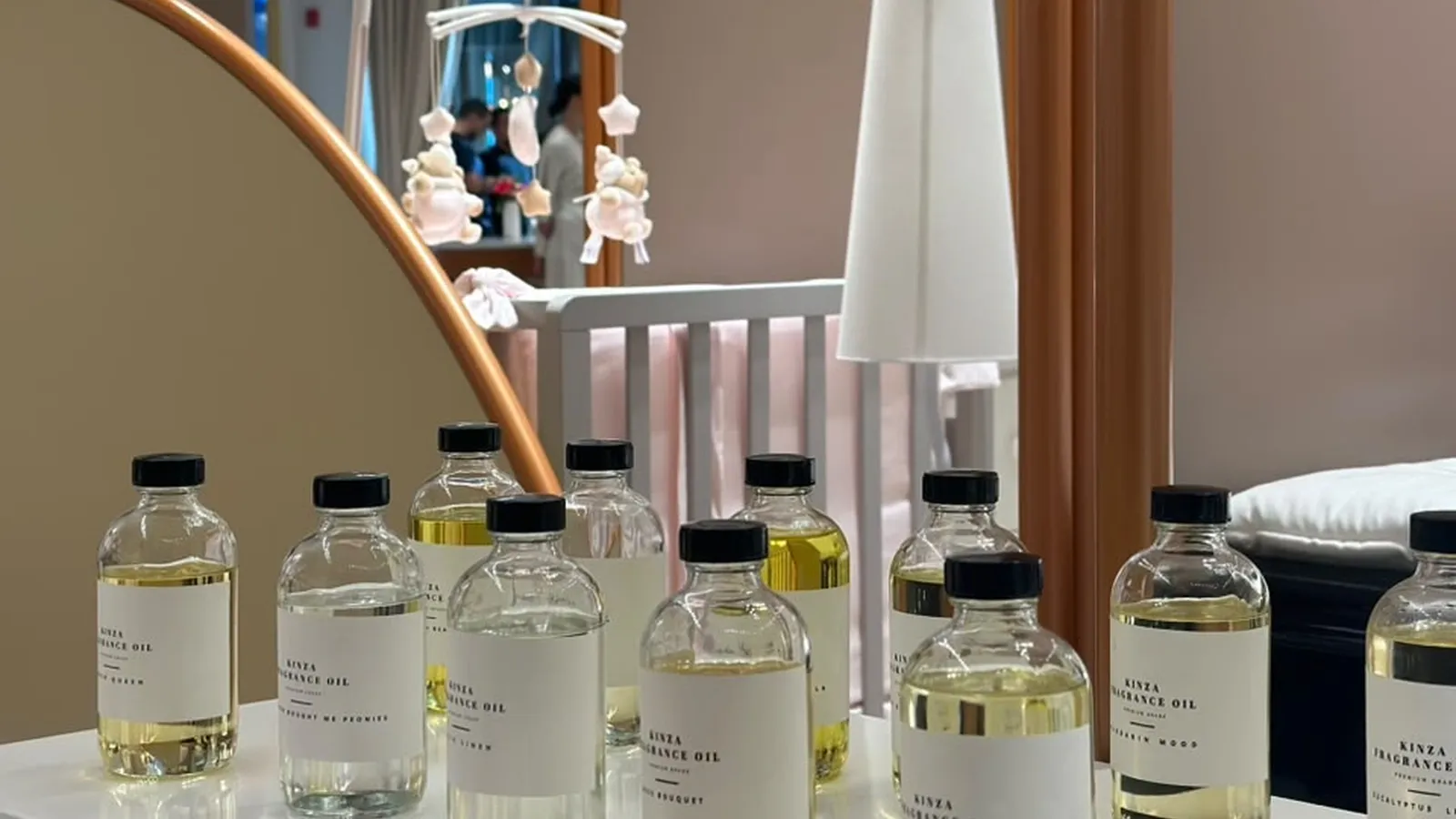
Why Fragrance Matters
Scent plays a bigger role in how a space feels than most people give it credit for, tapping into something more immediate than most other design choices.
The Emotional Power of Scent
Fragrance is uniquely tied to memory and emotion – certain scents can instantly transport you to a specific place or moment, which is part of why a well-chosen home fragrance Dubai shoppers select for their space can genuinely shift the atmosphere of a room in a way visual décor alone can’t.
Setting the Tone Before Anyone Speaks
A guest’s first impression of a home often includes an unconscious read on how it smells, well before they’ve had a chance to comment on the décor. A thoughtfully scented entryway or living space quietly signals care and attention throughout the whole home.
Function-Specific Atmosphere
Different rooms serve different purposes – relaxation, energy, focus, comfort – and fragrance can reinforce that function when chosen with intention, rather than applying the same scent uniformly throughout the house.
Room-by-Room Guide
Different spaces call for different fragrance profiles, both for practical and atmospheric reasons.
Living Room
As the space where guests spend the most time, living room fragrance should be welcoming without being overpowering. Warm, balanced notes – a soft amber, a light woody base, or a subtle floral – tend to work well, since they’re pleasant without demanding too much attention.
Bedroom
Fragrance for the bedroom should support rest and relaxation. Lavender, chamomile, sandalwood and other calming notes are popular choices for fragrance for bedroom spaces specifically, helping to signal wind-down time as part of an evening routine.
Kitchen
Kitchens benefit from fresher, cleaner scents that won’t compete with cooking smells – citrus notes, herbs like basil or mint, or a light, green fragrance all work well without clashing with food preparation.
Bathroom
Bathrooms suit fresher, cleaner fragrances too, though slightly more spa-like – eucalyptus, mineral or aquatic notes and light florals all complement the room’s function well, creating a sense of freshness rather than masking odours with something overly heavy.
Home Office or Study
For a workspace, fragrances associated with focus and clarity – peppermint, rosemary, or a clean, green scent – can support concentration, while overly sweet or heavy fragrances may feel distracting in a space meant for productivity.
Entryway
As the first scent guests encounter, entryway fragrance should be welcoming and memorable without being too strong, given that people walking through won’t linger there the way they might in a living room.
Best Candle Fragrance by Room
Room | Recommended Fragrance | Why It Works |
Living Room | Amber, light woods, subtle floral | Warm and welcoming |
Bedroom | Lavender, chamomile, sandalwood | Relaxing and calming |
Kitchen | Citrus, basil, mint, green notes | Fresh without competing with food |
Bathroom | Eucalyptus, aquatic, mineral, light floral | Clean and spa-like |
Home Office | Peppermint, rosemary, green notes | Fresh and focused |
Entryway | Light floral, fresh or subtle woody | Welcoming without overpowering |
Majlis | Oud, amber, spice | Warm and traditional |
Balcony | Fresh, green, citronella | Suitable for outdoor settings |
Seasonal Scents
Just as with clothing and décor, fragrance preferences naturally shift with the seasons and adjusting accordingly keeps a home feeling current rather than static.
Warmer Months
Lighter, fresher fragrances – citrus, florals and green notes – tend to suit Dubai’s warmer months, complementing the general shift toward brighter, airier interiors during this period.
Cooler Months
Richer, warmer notes – amber, sandalwood, spice and vanilla – come into their own during Dubai’s cooler months, adding a cosier, more enveloping quality that suits the season’s more relaxed indoor pace.
Transitional Scents
Some fragrances work well across both seasons, offering a versatile middle ground for households that prefer not to fully switch their home fragrance twice a year.
Scent Layering
Using multiple fragrances across a home requires a bit of thought to avoid competing or clashing notes.
Keeping Adjacent Rooms Complementary
Rooms that are physically close together, or open onto each other, should generally use fragrances that complement rather than clash – a shared base note across a few key scents helps maintain cohesion even when each room has its own distinct character.
Avoiding Overlap in Open-Plan Spaces
For open-plan homes, using a single signature fragrance across the connected living and dining space, with more distinct scents reserved for separate rooms like the bedroom or bathroom, tends to avoid an overwhelming clash of competing notes.
Testing Before Committing
Before committing to a full home fragrance scheme, burning a few living room candles or bedroom candles simultaneously for a short period can reveal whether chosen scents genuinely complement each other or compete once combined in a shared space.
Outdoor and Transitional Spaces
Fragrance choices don’t need to stop at the front door – balconies, terraces and majlis areas benefit from thoughtful scent selection too.
Balconies and Outdoor Seating
Citronella and other fresh, green fragrances work well outdoors, both for their pleasant scent and their practical benefit in warmer months when outdoor evenings are common.
Majlis and Entertaining Spaces
For majlis areas specifically, richer, more traditional fragrances – oud, amber, or spice-forward blends – often suit the space’s cultural and social significance, creating a warm, welcoming atmosphere for guests.
Common Fragrance Selection Mistakes
A few recurring mistakes tend to undermine an otherwise well-planned home fragrance scheme.
Choosing Based on the Shop, Not the Room
A fragrance that smells wonderful in a shop, surrounded by dozens of other scents, doesn’t always translate the same way once burned alone in a specific room at home. Testing a candle in the actual intended space, rather than relying purely on an in-store impression, gives a much more accurate sense of how it will perform.
Overloading a Single Room
Burning too many strongly scented candles in one space at once can create an overwhelming, muddled effect rather than a pleasant fragrance. One well-chosen candle, allowed to fill the room naturally, is usually more effective than several competing scents at once.
Ignoring Candle Placement
Where a candle is placed within a room affects how effectively its fragrance travels. Placing candles away from direct airflow, such as near an air conditioning vent, generally allows scent to develop and spread more evenly throughout the space.
Building Your Own Fragrance Wardrobe
Just as with clothing, having a rotating “wardrobe” of fragrances suited to different moods, seasons and occasions adds versatility to how you use scent throughout your home.
Starting With a Core Collection
A small collection of two or three reliable, versatile fragrances – one warm, one fresh, one floral – gives most households enough range to suit different rooms and seasons without an overwhelming initial investment.
Expanding Gradually
From that core collection, gradually adding more specific or seasonal fragrances lets you refine your home’s scent profile over time, rather than needing to get every choice right from the very first purchase.
Explore Our Full Scent Collection
Every candle in our range uses natural soy wax and carefully developed fragrance oils, tested extensively to ensure a genuinely balanced scent throw. Explore our Studio Kinza Candle Collection to find the right fragrance for every room in your home.
Key Takeaways
- Fragrance plays a significant role in how a home feels, tapping into memory and emotion more directly than visual décor.
- Different rooms benefit from different fragrance profiles, matched to their specific function and atmosphere.
- Scent preferences naturally shift with the seasons, from lighter fresh notes in warmer months to richer, warmer notes in cooler months.
- Layering fragrance across a home requires thought to avoid clashing notes, particularly in open-plan spaces.
- Building a small “fragrance wardrobe” of versatile scents offers flexibility across rooms, moods and seasons.
Choose a Candle Fragrance by Mood
For Relaxation
Choose lavender, chamomile, sandalwood or soft floral fragrances.
For Energy
Citrus, peppermint, mint and fresh green notes can create a brighter atmosphere.
For a Cosy Atmosphere
Amber, vanilla, sandalwood and spice-forward fragrances work well when you want a warmer feeling.
For a Fresh Home
Eucalyptus, citrus, aquatic and clean green fragrances can create a fresher atmosphere.
For Entertaining Guests
Balanced floral, woody, amber or subtle spice fragrances can create a welcoming environment without becoming overpowering.
Why Trust Studio Kinza’s Fragrance Expertise?
Studio Kinza has formulated and tested hundreds of fragrance combinations in its own studio, developing practical experience in how different scent profiles perform across spaces and settings. The brand creates hand-poured candles using 100% natural soy wax and carefully developed fragrance oils, alongside candle-making workshops and fragrance experiences in Dubai and Abu Dhabi. Studio Kinza is backed by 350+ five-star Google reviews and has worked with leading UAE brands and private groups.
FAQs
What is the best candle fragrance for a living room?
Warm, balanced notes like soft amber, light woody bases, or subtle florals tend to work well in a living room, since they’re welcoming without being overpowering.
What scents are best for a bedroom candle?
Calming notes like lavender, chamomile and sandalwood are popular choices for bedroom fragrance, supporting rest and relaxation.
Should different rooms in my home have different candle fragrances?
Yes, matching fragrance to each room’s function – relaxation in the bedroom, freshness in the bathroom, focus in a home office – tends to create a more considered, cohesive home fragrance experience.
How do I avoid clashing scents when using candles in multiple rooms?
Choosing complementary fragrances for adjacent or open-plan spaces and testing scents together before committing, helps avoid an overwhelming clash of competing notes.
Do candle fragrance preferences change with the seasons?
Yes, lighter, fresher fragrances tend to suit warmer months, while richer, warmer notes like amber and spice suit cooler months.
What’s a good starter fragrance collection for a new home?
A small core collection of two or three versatile scents – one warm, one fresh, one floral – gives most households enough range to start with before expanding further.
What candle fragrance works best in a bathroom?
Fresh, clean fragrances like eucalyptus, mineral or aquatic notes and light florals tend to suit bathrooms well, complementing the room’s function without masking odours too heavily.
Can one signature fragrance work across an entire home?
It can, particularly in open-plan spaces, though many households prefer to reserve more distinct fragrances for separate rooms like the bedroom or bathroom for added variety.
What fragrance is best for a home office or study?
Fragrances associated with focus and clarity, such as peppermint or rosemary, tend to support concentration better than heavier, sweeter scents.
How can I test whether two candle fragrances work well together?
Burning both simultaneously for a short period in adjoining spaces reveals whether the scents genuinely complement each other or compete once combined.
What fragrance works well for a majlis or entertaining space?
Richer, traditional fragrances like oud, amber, or spice-forward blends tend to suit majlis areas well, creating a warm atmosphere appropriate to the space’s social significance.
Where should I place a candle in a room for the best fragrance throw?
Placing candles away from direct airflow, such as air conditioning vents, generally allows the fragrance to develop and spread more evenly throughout the space.
About Studio Kinza
Studio Kinza is Dubai and Abu Dhabi’s most reviewed candle-making experience – a fragrance house of hand-poured, 100% natural soy candles that began in a home kitchen and now hosts corporate workshops, private celebrations and candle-making classes for groups of two to thirteen hundred. Every candle-making experience is made with clean, natural fragrance, backed by 350+ five-star Google reviews and trusted by some of the UAE’s most respected brands.

Diwali Candle Gifts Dubai
Diwali Candle Gifts in Dubai: Thoughtful Ideas for Hosts, Friends...
Read More
Alternative Birthday Party Ideas For Teens Who Want Something Different
Alternative Birthday Party Ideas for Teens Who Want Something Different...
Read More
Teen Birthday Celebration In Dubai Make Your Own Scented Candle
Teen Birthday Celebration in Dubai: Make Your Own Scented Candle...
Read More