

How to Plan a Diwali Candle-Making Get-Together at Home in...
Read MoreSoy Wax vs Paraffin Wax Candles: Which Is Better?
Pick up almost any candle and flip it over and you’ll usually find the wax type listed somewhere on the label – soy, paraffin, sometimes a blend of the two. Most shoppers skim past it without much thought, but the wax a candle is made from actually affects nearly everything about how it performs: how it smells, how long it burns, what it releases into your home and even how it looks once it’s finished. Understanding soy wax vs paraffin wax is one of the more useful things to know before buying your next candle, whether you’re shopping for yourself or looking for the best candles Dubai has to offer as a gift.
Having formulated and poured soy candles ourselves for years, working directly with fragrance and wax suppliers to get the blend right, we’ve got a fairly detailed view of exactly where soy and paraffin diverge – not just in theory, but in how they actually behave once lit. This guide breaks down the two wax types, compares them across the factors that matter most and helps you decide which is the better fit for your home.
Soy wax is generally the better choice for shoppers who prioritise renewable materials, longer burn time, lower soot and biodegradable wax. Paraffin wax is usually more affordable and has traditionally offered a stronger, more immediate fragrance throw. The better option depends on whether sustainability, performance, fragrance strength or price matters most to you.
This guide compares soy wax and paraffin wax across the factors that matter when choosing a candle, including wax origin, burn time, soot production, fragrance throw, cleanup, biodegradability, cost and handling. Soy wax is plant-based, renewable and generally slower-burning, while paraffin is petroleum-derived, lower-cost and traditionally known for stronger fragrance projection. The article also explains how to identify 100% soy candles, evaluate fragrance and wick quality, and choose the right wax for sustainability, gifting, home fragrance or budget considerations.
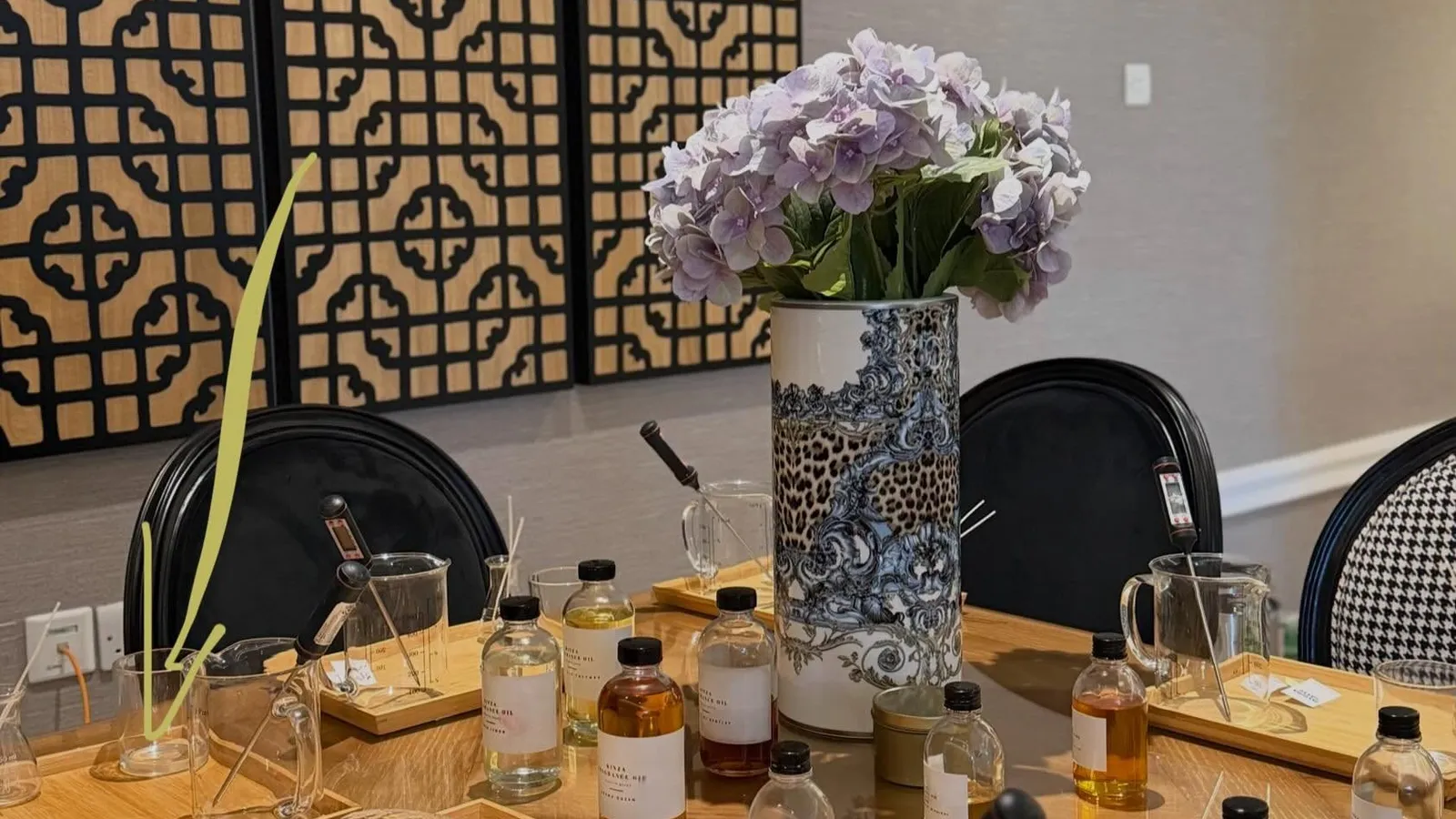
Types of Candle Wax
Before comparing the two head to head, it helps to understand what each wax actually is and where it comes from.
What Is Soy Wax
Soy wax is made from hydrogenated soybean oil, a renewable, plant-based resource. It’s typically processed into a solid form suitable for candle-making and has become the preferred choice for many candle makers over the past couple of decades as demand for natural, sustainable products has grown.
What Is Paraffin Wax
Paraffin wax is a petroleum byproduct, refined from crude oil during the oil refining process. It’s been the traditional standard for candle-making for well over a century, valued historically for its low cost and strong scent throw.
Blended Waxes
Some commercial candles use a blend of soy and paraffin, aiming to combine paraffin’s stronger fragrance projection with some of soy’s cleaner-burning properties, though this compromises somewhat on the specific benefits of each individual wax type.
Soy Wax vs Paraffin Wax: Quick Comparison
Factor | Soy Wax | Paraffin Wax |
Source | Plant-based soybean oil | Petroleum byproduct |
Renewable | Yes | No |
Burn | Generally slower and cooler | Generally faster and hotter |
Burn Time | Generally longer | Generally shorter |
Soot | Generally minimal | Can produce more visible soot |
Fragrance Throw | Strong but more subtle | Traditionally stronger and more immediate |
Cleanup | Easier with warm soapy water | More difficult |
Biodegradability | Biodegradable | Not biodegradable |
Production Cost | Higher | Lower |
Best For | Sustainability, gifting, luxury home fragrance | Budget-conscious buyers and strong fragrance projection |
Benefits
Each wax type carries its own set of genuine advantages, which is part of why the debate isn’t entirely one-sided.
Soy Wax Advantages
Natural candles made from soy wax tend to burn more cleanly, producing minimal soot compared to paraffin, which can leave a light residue on walls and ceilings over time with regular use. Soy wax also burns cooler and more slowly, generally extending a candle’s overall lifespan compared to an equivalent paraffin candle. Because it’s plant-derived and biodegradable, soy wax also appeals strongly to environmentally conscious shoppers.
If you’re looking to experience candle-making rather than simply buy a finished candle, explore our Public Candle Making Workshops to create your own personalised candle with guided instruction.
Paraffin Wax Advantages
Paraffin’s main advantage has traditionally been cost – it’s cheaper to produce at scale, which is part of why it remains common in mass-market candles. It also has a strong, well-established scent throw, holding fragrance oils effectively even in less refined formulations.
Drawbacks
Neither wax type is without its downsides and it’s worth understanding both sides honestly.
Soy Wax Drawbacks
Soy wax is generally more expensive to produce than paraffin, a cost that’s typically reflected in the final retail price of soy candles. It can also be more sensitive to temperature fluctuations during production, requiring more careful handling to avoid issues like frosting (a natural white bloom that can appear on the surface).
Paraffin Wax Drawbacks
Because it’s derived from petroleum, paraffin wax raises sustainability concerns for environmentally conscious buyers. Burning paraffin candles, particularly lower-quality ones, has also been associated with more visible soot production, which can be a genuine issue for candles burned regularly indoors.
Which Should You Choose?
The right choice ultimately depends on what matters most to you as a buyer.
For Sustainability-Conscious Buyers
If environmental impact and clean burning are priorities, soy wax is the clearer choice, given its renewable source and lower soot output.
For Budget-Conscious Buyers
If cost is the primary concern and you’re less focused on sustainability, paraffin candles remain a more affordable option, particularly for very frequent or high-volume use.
For Gifting and Home Fragrance
For gifting purposes specifically, luxury candles Dubai shoppers choose tend to lean heavily toward soy wax, both for its cleaner burn and its association with quality, natural craftsmanship – qualities that tend to matter more when a candle is meant to represent thoughtfulness rather than pure function.
Safety Considerations
Beyond performance and sustainability, a few safety-related differences are worth knowing.
Melting Point and Handling
Soy wax has a lower melting point than paraffin, which makes it somewhat easier and safer to handle during the pouring process, particularly relevant for anyone making candles themselves rather than only buying them.
Air Quality Over Time
Because soy wax burns with minimal soot, it’s generally considered the gentler option for indoor air quality with regular, frequent candle use, an important consideration for households that burn candles often.
Container and Wick Compatibility
Both wax types require appropriately matched wicks and containers for safe burning, though soy wax’s cooler burn temperature generally makes it more forgiving of minor sizing mismatches compared to paraffin’s hotter burn.
What to Look for When Buying Soy Candles
If you’ve decided soy wax is the right choice, a few additional factors are worth checking before you buy.
Wax Purity
Some “soy candles” on the market use a soy-paraffin blend rather than 100% soy wax. Checking the label or asking the seller directly ensures you’re getting the clean-burning properties you’re actually paying for.
Fragrance Quality
The quality of fragrance oils used matters as much as the wax itself. Higher-quality, clean fragrance oils tend to produce a more pleasant, longer-lasting scent without the harsher edge sometimes associated with lower-grade synthetic fragrances.
Wick Type and Placement
A well-made soy candle uses a wick appropriately sized for its vessel, ensuring an even burn pool rather than tunnelling down the centre, which affects both scent throw and overall candle lifespan.
A Note on Reading Candle Labels
Since wax type isn’t always obvious at a glance, learning to read a candle’s label carefully makes a real difference to buying the right product for your needs.
Terms to Watch For
Labels listing “soy wax blend” or “vegetable wax blend” often indicate a mix rather than pure soy, so shoppers specifically looking for 100% soy should check for that exact wording rather than assuming based on general “natural” marketing language.
When in Doubt, Ask Directly
For smaller, artisan candle makers in particular, reaching out directly to ask about wax composition is a reliable way to get a clear answer, since smaller producers are often happy to share exactly what goes into their candles.
Explore Studio Kinza’s Soy Candle Collection
Every candle we make uses 100% natural soy wax and clean, carefully selected fragrance oils, hand-poured rather than mass-produced. Explore our Handmade Soy Candles to find your next favourite scent.
Key Takeaways
- Soy wax is a renewable, plant-based option that burns cleaner and generally longer than paraffin.
- Paraffin wax is a petroleum byproduct, historically valued for its lower cost and strong scent.
- Soy candles tend to produce minimal soot, while paraffin can leave visible residue over time.
- Paraffin remains more affordable to produce, while soy commands a higher price reflecting its quality and sustainability.
- For gifting and luxury home fragrance, soy wax is generally the preferred choice.
- Checking wax purity and fragrance quality matters as much as the wax type itself when buying soy candles.
Why Trust Studio Kinza’s Candle Expertise?
Studio Kinza has hands-on experience formulating and pouring soy candles, working directly with fragrance and wax suppliers to develop candle blends for its own products and workshops. The brand specialises in hand-poured 100% natural soy candles and has delivered candle-making experiences for groups ranging from intimate gatherings to large events. Studio Kinza is also backed by 350+ five-star Google reviews and trusted by UAE brands for corporate workshops and private celebrations.
FAQs
1. What is the main difference between soy wax and paraffin wax?
Soy wax is a renewable, plant-based wax that burns cleaner and generally longer, while paraffin is a petroleum byproduct that’s traditionally cheaper and known for strong scent throw.
2. Does soy wax produce less soot than paraffin wax?
Soy candles generally produce less visible soot than paraffin candles, particularly when the candle is properly formulated and the wick is correctly sized. Regardless of wax type, candles should be burned according to the manufacturer’s instructions with appropriate ventilation and wick maintenance.
3. Why are soy candles more expensive than paraffin candles?
Soy wax is generally more costly to produce and requires more careful handling during manufacturing, which is typically reflected in the final retail price.
4. Do soy candles burn longer than paraffin candles?
Yes, soy wax generally burns cooler and more slowly than paraffin, which tends to extend a candle’s overall burn time.
5. Is soy wax fully biodegradable?
Yes, soy wax is biodegradable and derived from a renewable resource, unlike paraffin, which comes from non-renewable petroleum.
6. Can soy candles hold fragrance as well as paraffin candles?
Yes, though the scent throw profile differs slightly – soy tends to have a strong but slightly more subtle throw compared to paraffin’s traditionally more immediate projection.
7. How can I tell if a candle is 100% soy wax or a blend?
Checking the product label or asking the retailer directly is the most reliable way to confirm whether a candle is pure soy wax or a soy-paraffin blend.
8. Are paraffin candles unsafe to burn indoors?
Paraffin candles are generally considered safe when burned properly, though they do tend to produce more visible soot than soy wax, which some buyers prefer to avoid with regular indoor use.
9. What should I look for when buying a high-quality soy candle?
Checking for 100% soy wax purity, quality fragrance oils and an appropriately sized wick for the vessel all contribute to a better-performing candle.
10. Is soy wax the best choice for a luxury or gift candle?
Yes, soy wax is generally the preferred choice for gifting and luxury home fragrance, given its association with clean burning and quality craftsmanship.
11. Does soy wax cause frosting and is that a defect?
Frosting – a natural white bloom that can appear on the surface of soy candles – is a normal characteristic of the wax rather than a defect and doesn’t affect the candle’s performance or scent.
12. Which wax type is more environmentally friendly overall?
Soy wax is generally considered more environmentally friendly, given its renewable source and biodegradability, compared to paraffin’s petroleum-based origin.
13. Is soy wax easier to handle safely than paraffin during candle making?
Yes, soy wax has a lower melting point, which generally makes it easier and somewhat safer to work with during the pouring process compared to paraffin’s higher melting temperature.
About Studio Kinza
Studio Kinza is Dubai and Abu Dhabi’s most reviewed candle-making experience – a fragrance house of hand-poured, 100% natural soy candles that began in a home kitchen and now hosts corporate workshops, private celebrations and candle-making classes for groups of two to thirteen hundred. Every candle-making experience is made with clean, natural fragrance, backed by 350+ five-star Google reviews and trusted by some of the UAE’s most respected brands.
Diwali Candle Gifts Dubai
Diwali Candle Gifts in Dubai: Thoughtful Ideas for Hosts, Friends...
Read More
Alternative Birthday Party Ideas For Teens Who Want Something Different
Alternative Birthday Party Ideas for Teens Who Want Something Different...
Read More
Teen Birthday Celebration In Dubai Make Your Own Scented Candle
Teen Birthday Celebration in Dubai: Make Your Own Scented Candle...
Read More