What is Experiential Marketing
Experiential marketing is a strategy built around direct, hands-on interaction between a brand and its audience, rather than one-way messaging through ads or social posts.
Beyond Traditional Advertising
Where a billboard or digital ad delivers a message to an audience, an interactive activation invites the audience into the brand – through a pop-up activity, a live demonstration, or a guided experience that ties naturally into what the brand represents.
Why It’s Growing
As audiences become increasingly resistant to traditional advertising formats, brands that offer something genuinely enjoyable – rather than another interruption – tend to earn attention and goodwill more easily.
Customer Psychology
The reason interactive experiences outperform passive advertising comes down to how people form emotional associations with a brand.
Participation Creates Ownership
When someone actively takes part in creating something – whether that’s customising a product, completing a challenge, or making something with their hands – they develop a personal sense of ownership over the outcome, which naturally extends to a warmer feeling toward the brand behind it.
Memory Through Emotion
People remember experiences tied to genuine emotion – enjoyment, surprise, pride in a finished product – far more vividly than they remember information delivered passively, which is exactly why interactive activations tend to leave a longer-lasting impression than standard advertising.
Social Sharing Amplifies Reach
A genuinely enjoyable interactive experience naturally encourages people to share it, extending the brand’s reach organically through word of mouth and social channels rather than relying solely on paid placement.
Live Experiences
Live, in-person activations can take many forms depending on a brand’s goals and audience.
Product Sampling and Demonstrations
Letting customers try or interact with a product directly builds trust faster than describing it in an ad.
Branded Creative Workshops
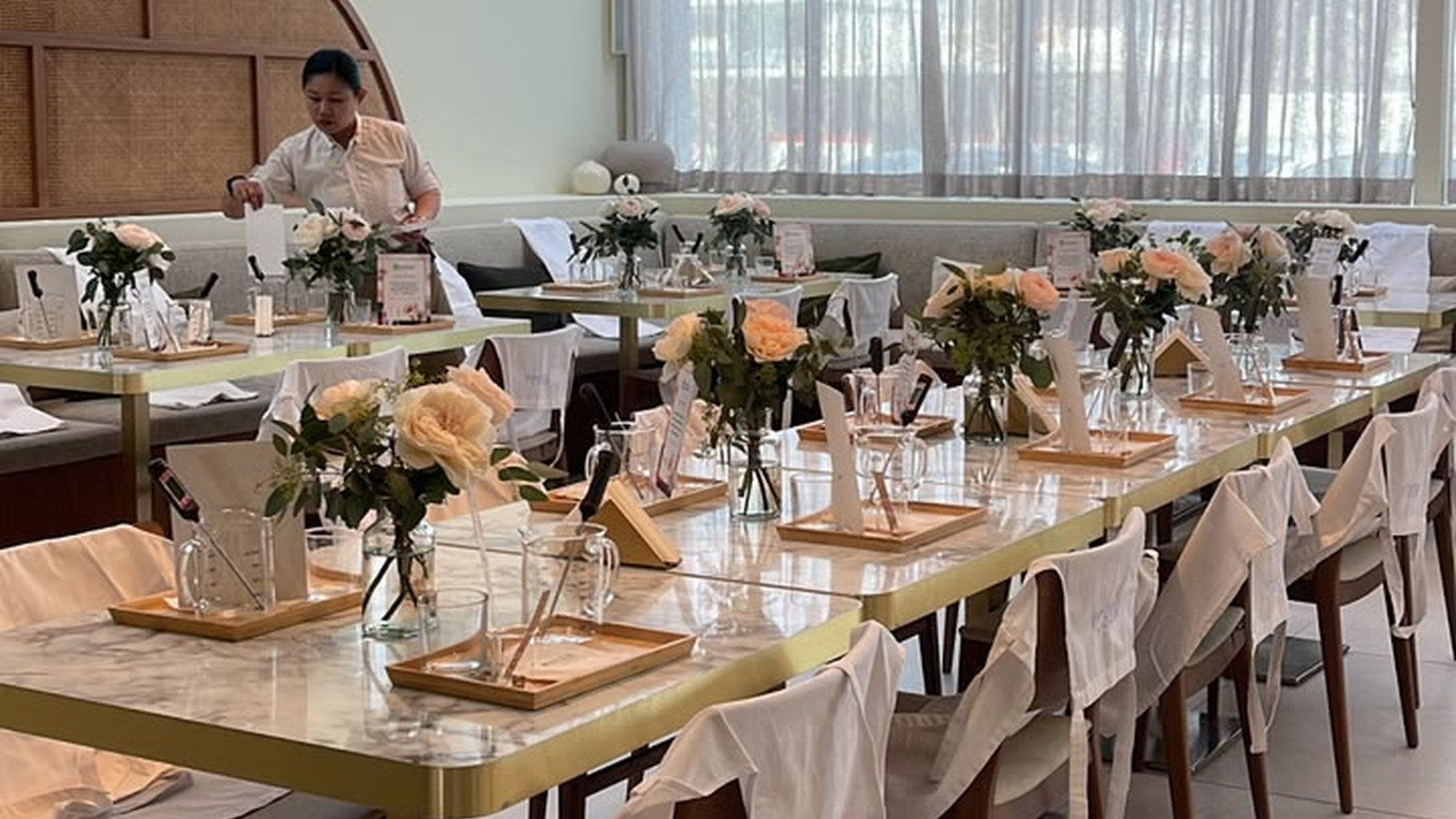
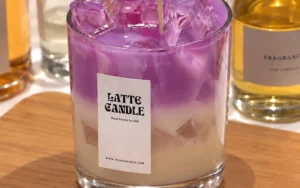
Partnering with a creative studio for a guided activity – such as a branded candle-making session at a launch event, retail activation, or client appreciation day – gives attendees a hands-on experience directly tied to the brand’s presence, along with a physical item to take home as a lasting reminder.
Creative workshops have become one of the most successful forms of Live Candle Bar Ideas Dubai, allowing brands to personalise customer experiences through themed fragrances, custom branding and interactive candle-making activities that naturally encourage engagement and social sharing.
Pop-Up Installations
Temporary, immersive spaces in high-footfall locations allow brands to create a memorable moment without the commitment of a permanent retail presence.
Measuring ROI
Interactive activations can be harder to measure than a straightforward digital ad, but there are still clear indicators worth tracking.
- Engagement time. How long people spend actively participating is a strong proxy for genuine interest.
- Social mentions and shares. Organic posts from attendees extend reach well beyond the physical footprint of the event.
- Lead capture quality. Interactions collected through hands-on activations often come from more genuinely interested prospects than passive ad clicks.
- Post-event sentiment. Feedback and reviews following the activation offer a clearer read on brand perception than impression counts alone.
Many successful experiential campaigns use Corporate Event Ideas in Dubai That Employees Will Actually Enjoy as inspiration for creating memorable customer and employee experiences that increase participation, encourage social sharing and strengthen long-term brand loyalty.
Bring an Interactive Experience to Your Next Activation
A branded candle-making session gives customers a genuine reason to stop, participate and leave with something personal in hand – a memorable way to put your brand at the centre of a real experience. Explore Brand Activations to plan your next event.
Key Takeaways
Interactive brand experiences turn passive attention into active participation.
Participation creates a sense of ownership that strengthens emotional connection to a brand.
Experiences tied to genuine emotion are remembered far longer than passive advertising.
Branded creative workshops, like guided candle-making, combine hands-on engagement with a lasting physical takeaway.
ROI can be tracked through engagement time, organic social sharing, lead quality and post-event sentiment.
FAQs
1. What is an interactive brand experience?
It’s a marketing activation where the audience actively participates rather than passively receiving a message, such as a hands-on workshop, demonstration, or pop-up activity.
2. Why do interactive experiences work better than traditional ads for some brands?
They create genuine emotional engagement and a personal sense of ownership, both of which tend to produce stronger, longer-lasting brand recall than passive advertising.
3. What types of events suit branded creative workshops?
Product launches, retail activations, client appreciation events and pop-up campaigns are all well-suited to a guided creative activity like candle-making.
4. How can brands measure the success of an interactive activation?
Common indicators include engagement time, organic social shares, quality of leads captured and post-event customer sentiment.
5. Are interactive brand experiences suitable for B2B companies?
Yes – client appreciation events and relationship-building activations benefit just as much from a memorable, hands-on experience as consumer-facing campaigns.
6. How long should a branded interactive experience run?
This depends on the event, but a guided session of around thirty minutes to an hour per group typically balances engagement with practical event flow.
7. Do interactive experiences work for smaller brands with limited budgets?
Yes, activations can be scaled to fit different budgets, with smaller pop-up sessions offering many of the same engagement benefits as larger events.
8. What makes a brand activation memorable?
Activations that combine genuine participation with a tangible outcome – something attendees can keep – tend to be remembered longest.
9. Can interactive experiences be tied into a specific product launch?
Yes, activations can be themed and customised to reflect a brand’s colours, scents, or messaging, tying the experience directly back to the product being launched.
About Studio Kinza
Studio Kinza is a Dubai-based candle-making studio offering guided workshops, corporate team-building experiences and DIY candle kits. We help teams, friends and individuals slow down and create something with their hands in a warm, welcoming studio setting.